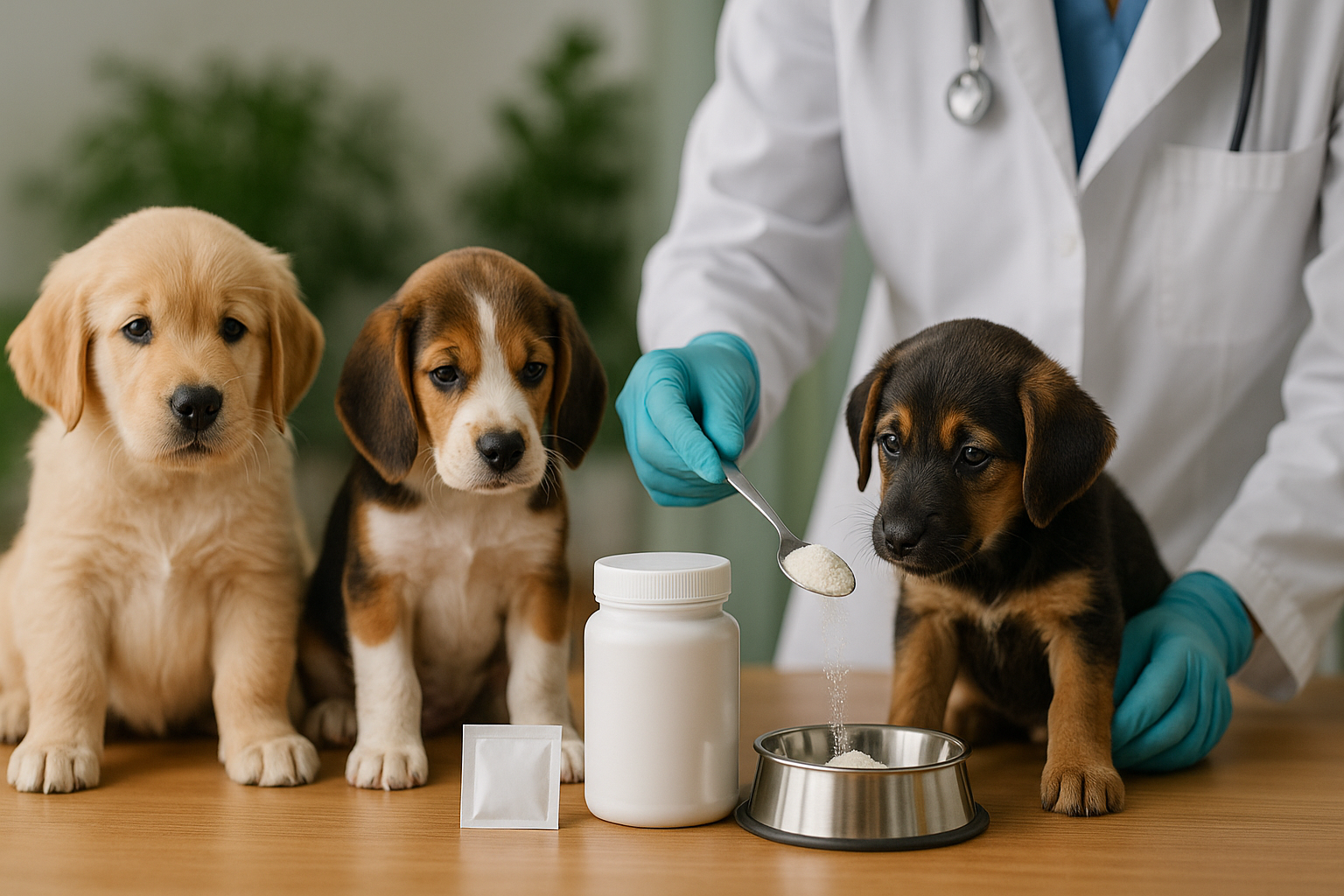
What Are Probiotics? Probiotics are live microorganisms—mainly certain bacteria and yeasts—that, when administered in adequate amounts, can confer health benefits to the host. In dogs, popular probiotic strains include Lactobacillus and Bifidobacterium species, which are naturally found in a healthy canine gut and even in canine milk and colostrum. How Do Canine Probiotics Work? Probiotics work by supporting a healthy balance of beneficial bacteria within the digestive tract. This balance is crucial for immune system function, digestion, and protecting your puppy from harmful pathogens. They can improve gut barrier function, reduce inflammation, and help outcompete potentially harmful microbes. The Benefits of Probiotics for Puppies Supporting Puppy Nutrition During stressful periods like weaning, puppies’ intestinal microbiota can become imbalanced. Supplementing with certain probiotics has been shown to support gut health, aid digestion, and reduce the frequency and severity of diarrhea or gastrointestinal upset in puppies. Enhancing Puppy Wellness A robust gut microbiome can influence overall wellness. Probiotics have been linked to improved immune response, reduced risk of gastrointestinal infections, and even faster recovery from conditions like gastroenteritis in puppies. Are Probiotics Safe for Puppies? Common Concerns and Misconceptions Expert Opinions on Safety Multiple studies have found that carefully selected probiotic strains are safe for puppies and can even help during high-risk periods, such as weaning or after antibiotic use. However, experts stress that immune-compromised puppies or those with chronic illnesses should only take probiotics under veterinary supervision. Potential Side Effects of Probiotics in Dogs Common Side Effects in Puppies Probiotics are generally well tolerated, even in very young puppies. Mild, temporary side effects may include: Serious side effects are extremely uncommon when using well-studied, canine-specific probiotics at appropriate doses. When to Consult a Veterinarian Choosing the Right Probiotic for Your Puppy Types of Probiotics Suitable for Puppies Select products using veterinarian-recommended, canine-derived strains such as specific Lactobacillus and Bifidobacterium types. Some strains tested in controlled puppy trials include Lactobacillus rhamnosus, Lactobacillus plantarum, and Lactobacillus acidophilus, among others. Recommended Probiotic Treats for Dogs Factors to Consider When Selecting Probiotics Conclusion: Weighing the Risks and Benefits For most puppies, properly chosen probiotics are safe, and they can support gut and immune health, especially during times of stress or digestive upset. However, safety depends on: Avoid unverified or non-specific products and always monitor your puppy when starting any new supplement. With the right approach, probiotics are more likely to help than harm, setting your puppy up for a healthier, happier life.

5 Surprising Canine Gut Health Myths Busted by Experts That Every Dog Owner Must Know
Introduction Pet care tips and wellness products for dogs create confusion among dog owners because they encounter numerous conflicting pieces of information about canine gut health. Pet owners risk endangering their dog’s health through myths that spread widely because they include terms such as “probiotics,” “natural remedies,” and “superfoods.” The separation between real and false information stands as a vital requirement for achieving genuine health improvements for your dog according to expert professionals. This article debunks five popular misconceptions about canine gut health by offering direction for making knowledgeable decisions about your dog’s health. Understanding Canine Gut Health The gut plays a vital role beyond digestion because it functions as the core of a dog’s immune system and nutrient processing and influences emotional state. Achieving optimal gut health requires knowledge of scientific evidence beyond selecting current market products. The Importance of Myth Busting Your dog’s healthcare will suffer from ineffective or dangerous measures when you follow gut health trends without scientific evidence. Expert debunking of popular myths enables dog owners to concentrate on beneficial practices which cuts through marketing misinformation and false information. Myth 1: Probiotics for Dogs Are Always Beneficial What Experts Say All dogs require probiotic supplements only when they need specific support for their digestive system. Healthy dogs who receive probiotics after antibiotic treatment or digestive issues will benefit from them but other dogs may not see any advantages. The wrong use of probiotics can lead to additional digestive problems in certain instances. Situations Where Probiotics May Not Help Takeaway: Consult your vet before introducing probiotics for dogs. Myth 2: All Gut Health Supplements for Dogs Are Created Equal The Reality of Supplement Quality Not all supplements are properly tested or regulated. Some products include ineffective or non-specific bacterial strains together with wrong dosage amounts and possibly harmful contaminants. Trustworthy brands support their statements through scientific proof and independent testing along with complete ingredient disclosure. What to Look For in a Supplement Takeaway: Research and vet approval are essential for selecting gut health supplements for dogs. Myth 3: Canine Digestive Disorders Are Always Genetic Environmental Factors to Consider Environmental changes along with stress and infections and dietary alterations can cause digestive disorders in dogs. The influence of genetics exists but they do not represent the sole determining factor in digestive issues. Dietary Impact on Gut Health The gut microbiome faces disruption from both hereditary predispositions and improper or low-quality diets. Factors include: Takeaway: Balance and consistency matter just as much as biology for preventing canine digestive disorders. Myth 4: A Healthy Dog Diet Solely Consists of Meat The Role of Fiber and Other Nutrients Dogs are omnivores. The essential protein requirement in a dog’s diet should be complemented by dietary fiber from safe fruits and vegetables and grains because it helps beneficial bacteria thrive and ensures regular bowel movements. A diet that consists only of meat creates potential nutrient deficiencies. Balanced Diet Recommendations Takeaway: A healthy dog diet is balanced—not just meat. Myth 5: Natural Remedies for Dog Gut Health Are Always Safe Potential Risks of Natural Remedies The fact that a product contains natural ingredients does not guarantee it will not cause harm to dogs. The combination of herbs and oils and over-the-counter supplements may produce adverse reactions with medications as well as cause allergic responses in dogs. How to Choose Safe Options Takeaway: “Natural” doesn’t always equal safe—expert supervision is key. Conclusion Your understanding of canine gut health becomes clearer when you understand the scientific facts behind these five common misconceptions so you can provide evidence-based care for your dog. Consult with your veterinarian before modifying your dog’s diet or supplement program while seeking expert guidance because this provides better care than following hype.
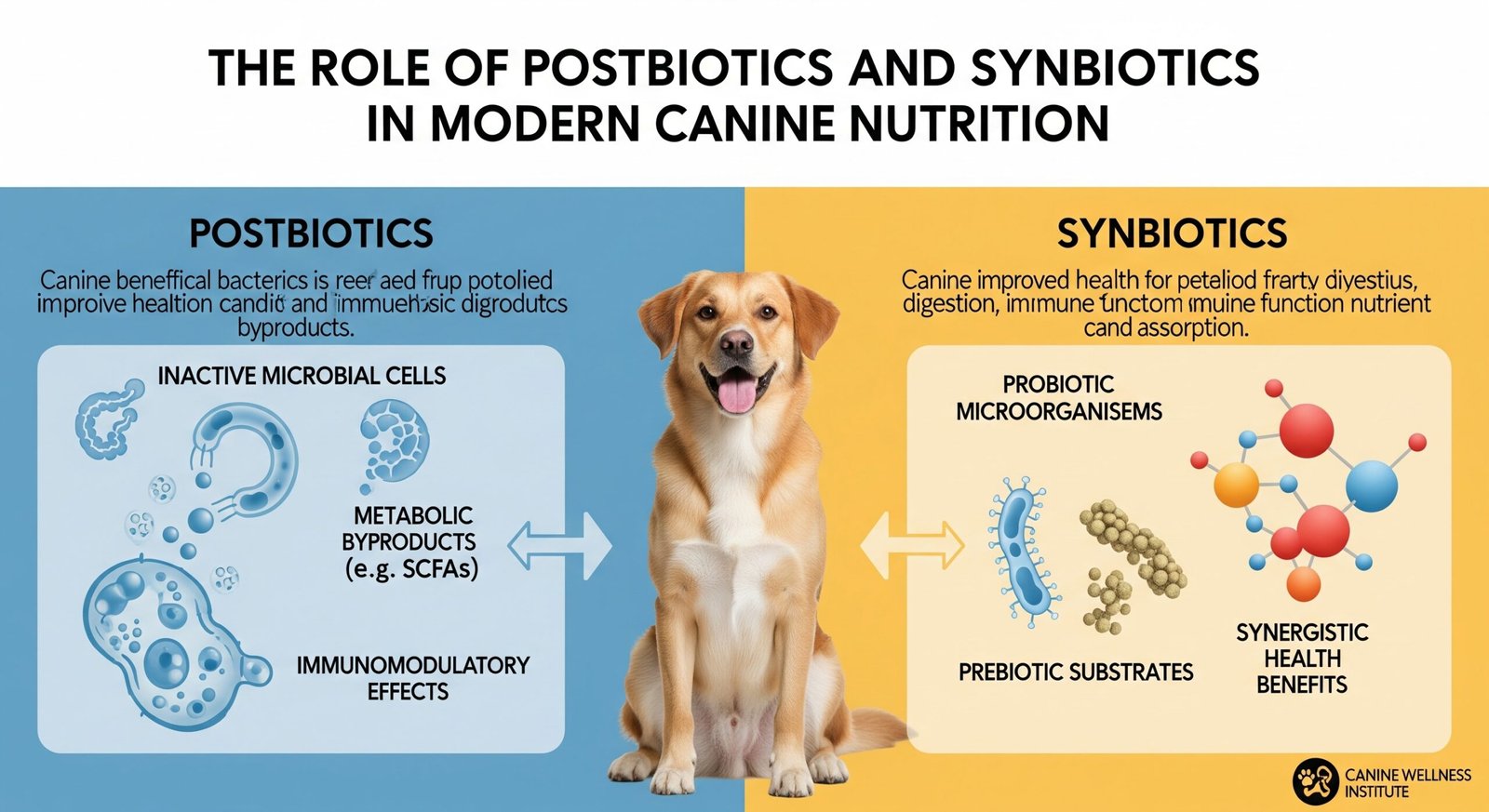
The Role of Postbiotics and Synbiotics in Modern Canine Nutrition
Maintaining a balanced gut microbiome is fundamental to canine health, impacting everything from digestion and immune resilience to skin condition and behavior. While probiotics and prebiotics have garnered widespread attention, postbiotics and synbiotics represent cutting-edge strategies that harness both microbial metabolites and synergistic combinations of live microbes with their preferred substrates. This in-depth exploration covers definitions, mechanisms, scientific evidence, and practical recommendations for integrating postbiotics and synbiotics into your dog’s diet. 1. Defining Postbiotics and Synbiotics Postbiotics are non-viable microbial cells, cell components, or metabolic byproducts—such as short-chain fatty acids (SCFAs), peptides, enzymes, and cell wall fragments—that confer health benefits when administered in adequate amounts. Unlike probiotics, they do not require viability and are more stable during manufacturing and storage, making them suitable for inclusion in dry kibble and treats. Synbiotics combine probiotics (live beneficial microorganisms) and prebiotics (selective substrates that feed these microbes) in a single formulation. By delivering both the “seeds” (microbes) and the “soil” (nutrients they thrive on), synbiotics aim to enhance survival, colonization, and activity of beneficial bacteria in the gastrointestinal tract. 2. Mechanisms of Action 2.1 Postbiotic Mechanisms 2.2 Synbiotic Synergy 3. Evidence of Benefits in Dogs 3.1 Postbiotics in Clinical Trials 3.2 Synbiotic Strategies 4. Practical Applications 4.1 Selecting Postbiotic Products 4.2 Incorporating Synbiotics 5. Future Directions Harnessing the combined strengths of postbiotics and synbiotics represents a transformative approach in canine nutrition. By delivering stable, bioactive microbial metabolites alongside synergistic live cultures and their substrates, pet owners and veterinarians can optimize gut health, bolster immunity, and address a spectrum of chronic and acute conditions—paving the way for improved longevity and quality of life in our canine companions.
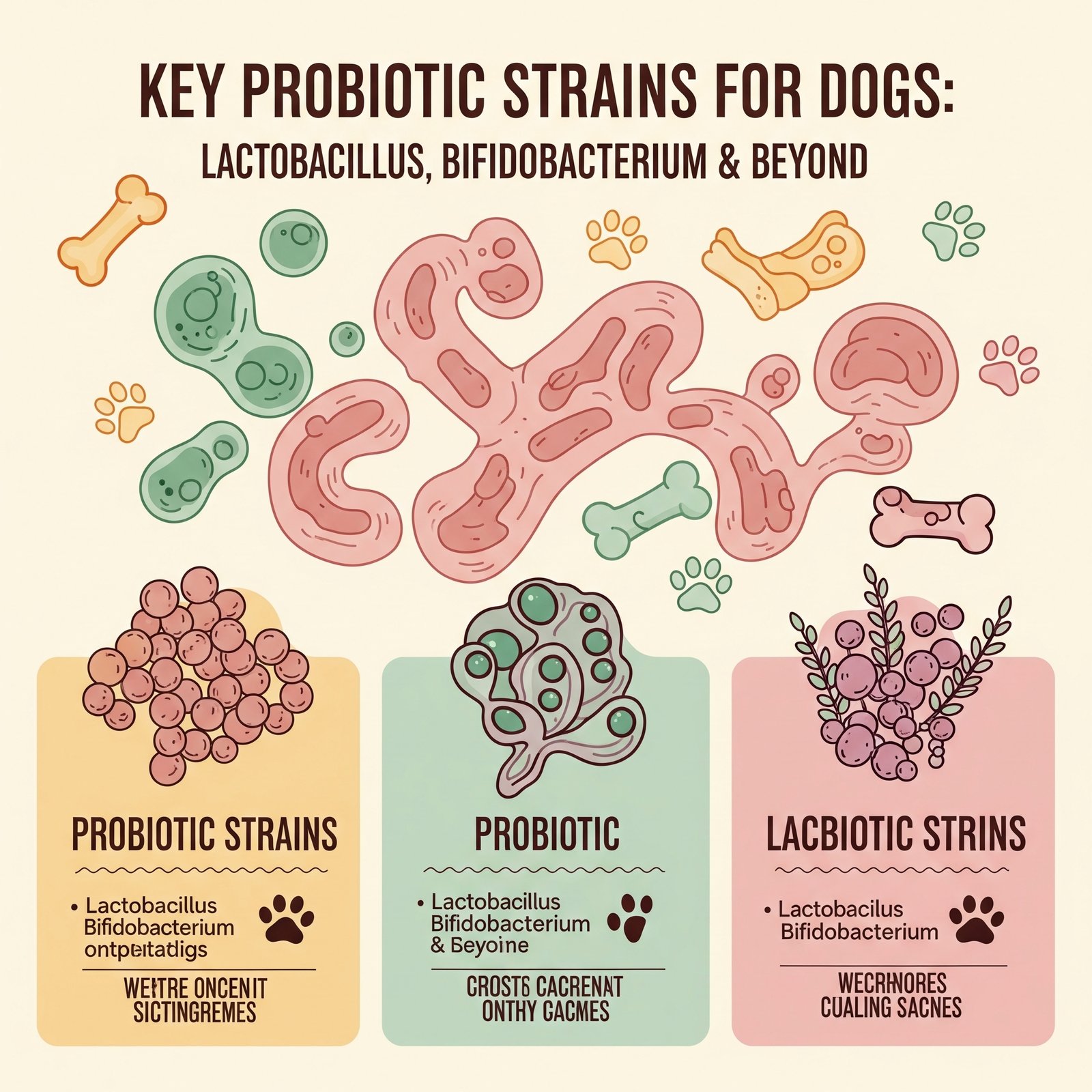
Key Probiotic Strains for Dogs: Lactobacillus, Bifidobacterium & Beyond
Ensuring optimal gut health is vital to your dog’s overall well-being. This deep dive examines the most studied probiotic strains used in canine nutrition, how they work, and which clinical benefits you can expect when incorporating them into your dog’s diet. Introduction The canine gastrointestinal (GI) tract hosts trillions of microorganisms forming a balanced microbiome that aids digestion, nutrient absorption, immune regulation, and even behavior. Disruptions—from antibiotics, dietary changes, stress, or age—can trigger dysbiosis, leading to diarrhea, allergies, anxiety, and chronic enteropathies. Probiotic supplementation offers a targeted approach to restore microbial equilibrium by introducing beneficial live microbes into the gut. 1. Lactobacillus Species Lactobacilli are lactic-acid bacteria prominent in healthy dog intestines. They produce lactic acid to inhibit pathogens and support barrier integrity. 2. Bifidobacterium Species Bifidobacteria colonize the colon, ferment dietary fibers into SCFAs (e.g., butyrate), nourishing colonocytes and dampening inflammation. 3. Enterococcus faecium A robust lactic-acid bacterium with documented safety and efficacy in dogs. 4. Bacillus Species Spore-forming Bacilli withstand heat and stomach acid, making them ideal for kibble inclusion. 5. Saccharomyces boulardii A non-pathogenic yeast probiotic with unique modes of action. 6. Faecalibacterium prausnitzii Not a direct supplement but a keystone SCFA-producing genus enriched by certain probiotics. Selecting the Right Strains Practical Recommendations Conclusion Harnessing specific probiotic strains empowers you to tailor gut-health strategies for your dog—from puppyhood through senior years. Lactobacillus and Bifidobacterium remain cornerstone genera, while emerging candidates like Faecalibacterium prausnitzii and Bacillus spp. expand the toolkit for managing enteropathies, immune disorders, and even behavioral issues. By selecting science-backed, canine-formulated probiotics, you can restore microbial balance, enhance digestive resilience, and support lifelong canine health.

A Pet Parent’s Guide: The Best Dog Probiotics for Digestive Issues
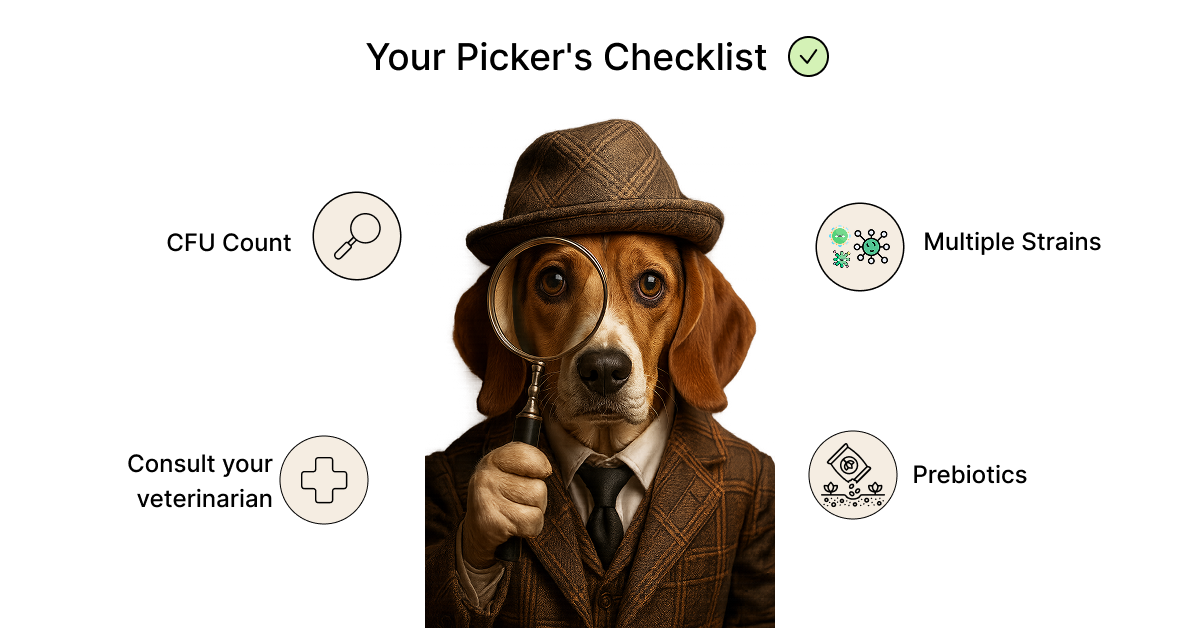
The health and happiness of dogs depend on their digestion system and their gut represents the core of their well-being. A dog’s digestive system functions as a complex bacterial ecosystem because it contains billions of bacteria with both positive and negative effects. The disruption of this sensitive equilibrium results in digestive problems such as diarrhea and gas production and bloating and discomfort in dogs. Probiotics serve as the solution. Your dog’s digestive system experiences a transformative change when you introduce beneficial bacteria. Choosing the appropriate dog probiotic product from numerous market alternatives becomes difficult for pet owners. The guide examines the top dog probiotics to assist dog owners in their selection process. What Are Probiotics and Prebiotics? Probiotics consist of live beneficial microorganisms which include bacteria and some yeasts that become beneficial when administered in proper amounts to deliver health advantages. The bacteria require their assistance to create a balanced ecosystem within the gut. Prebiotics function as dietary fiber components which act as food for beneficial bacteria in your dog’s gut. The beneficial bacteria in the probiotic garden require prebiotics as they function similarly to plant fertilizers. The main prebiotics found in dog supplements consist of Fructooligosaccharides (FOS) and inulin. A synbiotic product combines probiotics and prebiotics into a single solution which provides comprehensive gut health support. Top Dog Probiotics for a Happy Tummy This guide presents veterinarian-approved probiotics which have received high ratings to help manage dog digestive problems. 1. Purina Pro Plan Veterinary Diets FortiFlora Probiotic FortiFlora stands as one of the market’s leading probiotics because veterinarians consistently endorse it for its straightforward yet effective design. The product delivers excellent results for treating diarrhea and supporting proper stool health. The product exists as a palatable powder contained in convenient single-dose sachets. Add this powder directly to your dog’s regular meals. Link to Buy: Purina Pro Plan Vet Direct 2. Zesty Paws Probiotic Bites These soft chews offer dogs an excellent alternative to powders because they come in appealing flavors that dogs will accept. These soft chews contain multiple probiotic strains in a strong formula which makes them popular among dogs that are finicky about their food. Link to Buy: Zesty Paws Official Website 3. VetriScience Vetri Mega Probiotic This product stands out because its high-potency multi-strain formula provides strong digestive and immune system support for pets in need. Dogs who experience food allergies benefit from this product because it contains no dairy components. Link to Buy: VetriScience Website 4. Honest Paws Pre + Probiotics The comprehensive gut health solution combines probiotics with prebiotics and digestive enzymes into a single treatment product. The product is sold as powder which allows for convenient mixing with your dog’s food. Link to Buy: K9 Vitality (from the makers of Honest Paws) How to Choose the Right Probiotic Before initiating any new supplement consult with your veterinarian. Your veterinarian can identify the root cause of digestive problems in your dog while suggesting the optimal treatment approach. Examine the CFU Count: Colony-Forming Units (CFU) show the actual number of active bacteria in a dosage. Choose products which contain bacterial counts in the billions because they offer greater potency. Different bacterial strains offer various health benefits thus you should select products containing multiple strains. A multi-strain formula often provides broader support. A supplement containing prebiotics such as FOS or inulin will achieve better results in the long term. Check the ingredient label to confirm that the product maintains its CFU count throughout its shelf life period. The Bottom Line Probiotics serve as an effective solution for dog digestive health management. A high-quality probiotic product with suitable strain combinations and potency will provide relief to your dog’s stomach while enhancing stool quality and leading to better overall health and happiness. Disclaimer: The information presented in this article serves educational purposes while replacing veterinary guidance. Consult your veterinarian to address any health concerns about your pet.

Homemade vs. Store-Bought Probiotics for Dogs: A 2025 Guide
As a dog owner, you want what’s best for your furry friend’s health. You’ve likely heard about the benefits of probiotics for improving digestion, boosting immunity, and even helping with issues like diarrhea and allergies. This leads to a crucial question: should you buy a specially formulated canine probiotic, or can you give your dog homemade probiotic-rich foods like yogurt or kefir? This guide breaks down the pros and cons of both approaches to help you make an informed decision. Store-Bought Probiotics: The Convenient & Targeted Choice Commercial probiotics are specifically designed for dogs and are the most common choice for owners looking for a reliable solution. These products come in various forms, including powders, chews, and capsules. Pros: Guaranteed Potency & Specific Strains: This is the biggest advantage. A reputable store-bought product will list the exact strains of bacteria (like Enterococcus faecium or Lactobacillus acidophilus) and guarantee the number of Colony Forming Units (CFUs). This is critical if you’re targeting a specific health issue. For example, the best probiotic for dogs with diarrhea will contain strains clinically studied for that purpose. Convenience and Ease of Use: There’s no prep work involved. You simply add the recommended dose to your dog’s food. This makes it easy to ensure your dog gets a consistent amount every day. Formulated for Survival: The top-rated dog probiotics are designed to survive the harsh acidic environment of a dog’s stomach, ensuring the beneficial bacteria reach the intestines alive and ready to work. Safety and Quality Control: Trusted brands undergo rigorous testing to ensure their products are free from contaminants and meet the potency claims on the label. Cons: Cost: High-quality, high-CFU dog probiotics can be an ongoing expense. The price often reflects the research and quality control that goes into the product. Fillers and Additives: Some lower-quality or affordable dog probiotics may contain unnecessary fillers, artificial flavors, or preservatives that you might prefer to avoid. Always read the label carefully. Best For: Owners who need to address a specific health concern (diarrhea, allergies, post-antibiotic care), value convenience, and want the assurance of a scientifically formulated, dose-specific product. Homemade Probiotics: The Natural & Economical Option Homemade probiotics typically involve giving your dog small amounts of fermented foods like plain, unsweetened yogurt, kefir, or even fermented vegetables like sauerkraut. Pros: Cost-Effective: Making yogurt or kefir at home is significantly cheaper than buying a monthly supply of commercial supplements. Natural & Whole-Food Based: You have complete control over the ingredients. You know your dog is getting a whole food without any fillers or artificial additives. Diverse Bacteria: Fermented foods can contain a wide and diverse range of beneficial bacteria, which can be great for general gut health maintenance. Cons: Unknown Potency and Strains: You have no way of knowing which specific strains of bacteria are in your homemade batch or in what amount. The CFU count can vary wildly from one batch to the next, making it unreliable for therapeutic use. Dairy & Palatability Issues: Many dogs are lactose intolerant, so dairy-based options like yogurt and kefir can sometimes cause digestive upset—the very thing you’re trying to prevent. Harmful Ingredients: You must be extremely careful. For example, store-bought yogurt is often sweetened with xylitol, which is highly toxic to dogs. You must only use plain, unsweetened varieties. Not Canine-Specific: The bacteria in human foods are not necessarily the most beneficial strains for a dog’s unique digestive system. Best For: Healthy dogs without specific issues, where the goal is a general wellness boost from a whole-food source. It’s a good option for owners who are on a budget and are diligent about using pet-safe ingredients. Comparison Chart: Dog Probiotics [Brand vs. Homemade] Feature Store-Bought Probiotics Homemade Probiotics (e.g., Yogurt/Kefir) Primary Goal Targeted therapeutic support General wellness Strain Specificity Yes, specific strains listed No, unknown mix of strains Potency (CFU) Guaranteed and consistent Unknown and varies per batch Convenience High (scoop or chew) Low (requires preparation) Cost Higher initial and ongoing cost Very low cost Safety Regulated and tested Risk of using unsafe ingredients (xylitol) Best For… Dogs with diarrhea, allergies, yeast issues, or on antibiotics. Healthy dogs needing a general gut health boost. Conclusion: Which Probiotic Is Best for My Dog? So, are dog probiotics worth it? Absolutely. But the choice between store-bought and homemade depends on your goal. The best canine probiotics for health condition management or antibiotic treatment support or reliable dosage delivery come from top-rated dog probiotic powders or chews from reputable brands. The ability to evaluate dog probiotics and select one with established strains represents an essential advantage. A spoonful of plain unsweetened homemade yogurt or kefir serves as an excellent natural and budget-friendly supplement for maintaining healthy gut function in dogs who are already in good health. The most secure and efficient way for new probiotic users to begin is by selecting a well-reviewed commercial product. Your veterinarian should help you decide the most suitable approach for your dog’s specific requirements.
Dog Probiotics: Your Questions Answered for a Healthy Pup
New pet dog owners must address numerous questions regarding their animal’s proper care. The use of probiotics has emerged as a prominent subject in modern veterinary care because it benefits canine health. Many health benefits exist for dogs from digestive wellness to immune support. The following extensive FAQ document will explain dog probiotics to enable you to make proper decisions for your new canine companion. Frequently Asked Questions About Dog Probiotics What are probiotics for dogs and what do they do? Probiotics consist of live beneficial microorganisms which primarily include bacteria along with some yeasts that exist inside your dog’s digestive tract. A proper gut requires a proper balance of beneficial microbes which execute essential functions including digestion and immune response and nutrient uptake. Dog probiotic supplements contain friendly bacteria to help dogs maintain a balanced gut microbiota. What are the benefits of giving my dog probiotics? Your dog will experience multiple advantages when you supplement their diet with probiotics since these supplements: What are the different types of dog probiotics? The market provides various probiotic products to accommodate different user preferences and health requirements. The primary researched probiotic strains for canine use consist of Lactobacillus and Bifidobacterium together with Enterococcus. How do I choose the best probiotic for my dog? When you choose a probiotic for your dog you should evaluate the following key aspects. Which probiotic is best for my dog? The selection of the best probiotic depends on the particular health requirements of your dog. A broad-spectrum probiotic with a good CFU count should be the initial choice for a healthy dog. The veterinarian should be consulted for guidance when your dog has certain health issues. Do various health problems such as diarrhea and allergies need specific probiotic solutions? Yes, some probiotic strains have been shown to have specific effects on certain conditions: Consult your veterinarian before using probiotics to treat any health problem. What is the difference between prebiotics and probiotics? The beneficial bacteria are known as probiotics and prebiotics are the nutrients that help these bacteria grow. Prebiotics are dietary fibers that dogs cannot digest. The prebiotics reach the gut where they become a food source for beneficial bacteria which leads to their multiplication and increased activity. “Synbiotics” is the term used for high-quality dog probiotic supplements that contain prebiotics together with probiotics. How do I give probiotics to my dog? The way of taking probiotics depends on the type of the probiotic product: The instructions for dosage should be followed as indicated on the product label. Are there any side effects of dog probiotics? Probiotics are very safe for use in dogs. The beginning of a new probiotic can lead to temporary gastrointestinal problems including gas and loose stools because of the body’s adjustment period. This is usually temporary. If the side effects continue or become serious, stop using the product and seek advice from your veterinarian. How long does it take for dog probiotics to work? The period of time that probiotics take to produce their effects depends on the purpose of use and the characteristics of the dog. Acute cases of diarrhea will show improvement within a few days of treatment. For allergies and other chronic health issues, the effects may become visible only after several weeks of using the probiotics. Are dog probiotics worth it? Many dogs who have digestive problems, weak immune systems or are under stress will benefit from the use of probiotics in their health care routine. The natural approach that probiotics offer helps support the health of the body and acts as a preventive measure to keep the gut healthy. The use of probiotics for your dog should be determined with the help of your veterinarian. What is the top-rated dog probiotic? The “top-rated” probiotic can be subjective and may change from year to year. The probiotics that veterinarians frequently recommend usually have three main characteristics: clear labeling, third-party testing and scientific research-based formulations. Look for reviews from reputable veterinary and pet care sources for the most up-to-date recommendations. Where can I find dog probiotic comparisons and reviews? To find the best canine probiotics and dog probiotic reviews, look for websites and publications that specialize in unbiased pet product testing and veterinary health information. These resources often provide detailed comparisons of different brands, looking at factors like CFU count, strain diversity, ingredients, and price. These valuable guides are accessible by searching for “best dog probiotics 2025” or “dog probiotic comparison” among other terms.

