- Holistic Health: A dog’s gut health controls more than just digestion; it governs their immune system (about 70%) and mood (serotonin production).
- The 3-Part Plan: True daily gut health relies on a “three-legged stool”: a balanced diet, consistent daily lifestyle (activity), and a low-stress environment.
- Boosters: You can actively support this foundation by using prebiotics (fiber) to feed good bacteria and probiotics (live bacteria) to add more.
We often think about our dog’s digestion only when something is wrong—an upset stomach, loose stools, or unpleasant gas. But what if we shifted from reacting to symptoms to proactively building a robust digestive system every single day?
Your dog’s gut, often called the “microbiome,” is a complex ecosystem of trillions of bacteria. It’s not just a digestive tract; it’s the control center for their holistic wellness. A balanced gut microbiome is essential for everything from nutrient absorption and immune response to regulating anxiety.
Supporting your dog’s digestion doesn’t require a complete overhaul. It’s about building a simple, consistent dog gut health routine based on three core pillars.
How Do I Know if My Dog’s Gut is Unhealthy?
A healthy gut is a balanced one. When this balance is disrupted—a state called dysbiosis—it can show up in ways that go far beyond the belly.
Signs of a Balanced, Healthy Gut:
- Consistent, firm, and well-formed stools
- Minimal and non-foul-smelling gas
- A healthy appetite and stable weight
- A shiny coat and healthy skin
- Good energy levels and a calm mood
Warning Signs of a Gut Imbalance (Dysbiosis):
- Chronic diarrhea, constipation, or inconsistent stools
- Excessive, foul-smelling flatulence
- Vomiting or frequent appetite changes
- Poor skin and coat, excessive itching, or new allergies
- Lethargy or, conversely, new or worsening anxiety
The 3-Part Daily Plan for a Stronger Gut
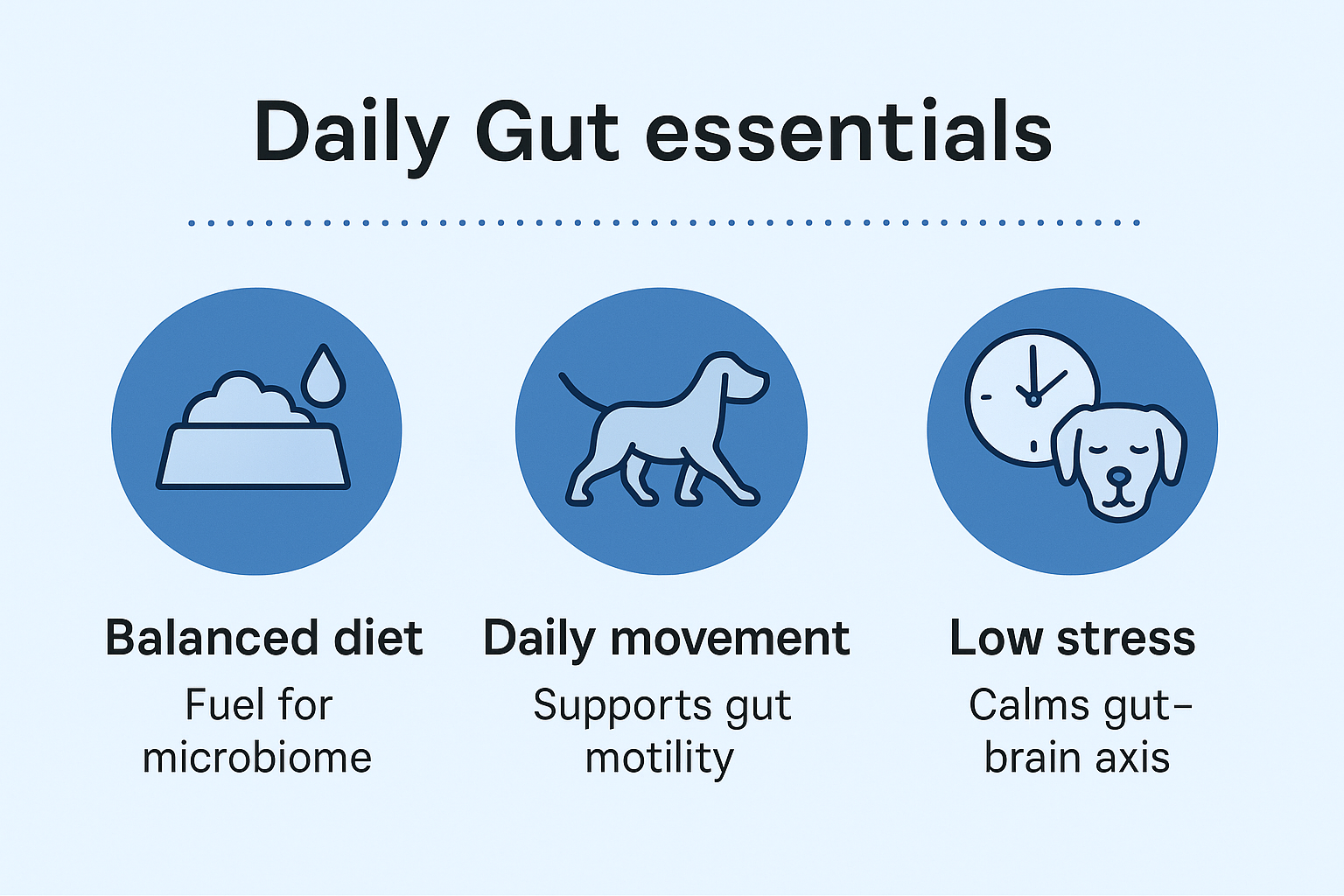
A healthy gut isn’t built with a single “fix.” It’s cultivated daily through a stable, holistic approach. We like to think of it as a “three-legged stool”—if one leg is wobbly, the entire foundation is unstable.
1. The Dietary Foundation (Fuel)
What you feed your dog is the primary fuel for their microbiome.
- Feed a “Complete and Balanced” Diet: Look for foods that meet the nutritional standards set by the Association of American Feed Control Officials (AAFCO). This ensures your dog gets all essential nutrients in the correct ratios.
- Follow the 10% Treat Rule: Treats and table scraps should make up no more than 10% of your dog’s daily calorie intake. Overfeeding treats can unbalance their core nutrition.
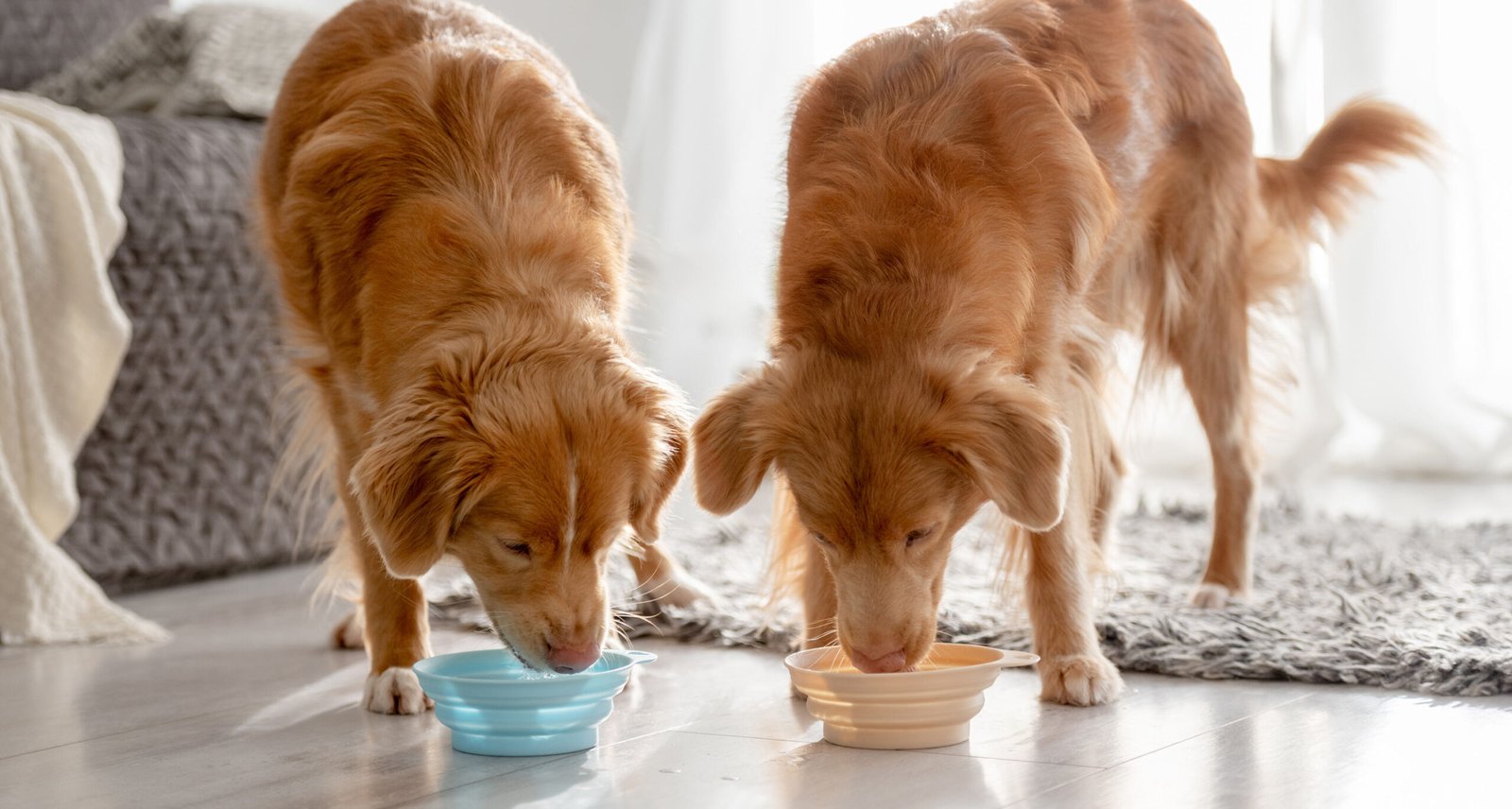
- Prioritize Hydration: Fresh, clean water is essential for moving food through the GI tract and preventing constipation.
2. The Lifestyle Factor (Activity)
Daily movement is critical for healthy gut motility (the movement of food and waste through the digestive system).
- Stimulate the Gut: Regular, moderate exercise—like daily walks and playtime—acts like a natural massage for the intestines, promoting healthy, regular bowel movements.
- Find the “Sweet Spot”: A sedentary lifestyle can slow digestion. However, overly strenuous exercise (like a “weekend warrior” hike) can be a physical stressor that diverts blood away from the gut, leading to upset.
- Daily Tip: Aim for consistent, moderate daily exercise. After activity, wait at least 30 minutes before feeding a meal to let their digestive system “come back online.”
3. The Environmental Pillar (Stress)
This is the leg we most often overlook: the gut-brain axis. A dog’s gut and brain are in constant communication.
- Stress Inhibits Digestion: When a dog is anxious (from separation, loud noises, or boredom), their body enters a “fight or flight” state. This stress response actively slows or stops digestion.
- The Power of Routine: The number one tool against chronic anxiety is predictability. Regular feeding times, walk times, and bedtimes create a stable, secure environment that keeps the gut-brain axis calm and functioning optimally.
How Can I Actively Boost My Dog’s Gut Health?
Beyond the 3-part plan, you can give your dog’s microbiome an extra boost with prebiotics and probiotics.
- Prebiotics: The “Fertilizer”
Prebiotics are simply specific types of fiber that your dog can’t digest. They travel to the colon, where they become the perfect food for your dog’s existing good bacteria. When bacteria “eat” this fiber, they produce beneficial compounds called Short-Chain Fatty Acids (SCFAs), which help fuel the gut lining and reduce inflammation. - How to Add Them: A spoonful of 100% pure canned pumpkin (not pie filling) or a few blueberries are great whole-food sources.
- Probiotics: The “Friendly Bacteria”
Probiotics are the live, beneficial microorganisms themselves. They add more “good guys” to the gut community to support immune health and digestion. A simple morning probiotic routine, like adding a high-quality, dog-specific probiotic supplement to their breakfast, can be a powerful daily habit for long-term support.
What About Changing My Dog’s Food?
A sudden food change is one of the most common causes of digestive upset. Your dog’s microbiome is adapted to their current food, and it needs time to adjust.
Always use a gradual transition plan, even for supplements or toppers. We recommend a 10-day schedule:
- Days 1-3: 75% Old Food / 25% New Food
- Days 4-6: 50% Old Food / 50% New Food
- Days 7-9: 25% Old Food / 75% New Food
- Day 10+: 100% New Food
By focusing on this proactive, 3-part approach, you empower your dog’s body to build a resilient gut, a stronger immune system, and a calmer mind, every single day.
Medical Disclaimer: The information in this article is for educational purposes only and is not a substitute for professional veterinary advice. Always consult your veterinarian with any questions or concerns about your dog’s health.
References:
- Cornell University College of Veterinary Medicine. (n.d.). The power of probiotics.
- Zoetis Inc. (n.d.). Understanding the Canine Microbiome and Its Impact on Health and Disease.
- Tufts University’s Petfoodology® Blog. (n.d.). Nutrition FAQs.
- Merck Veterinary Manual. (n.d.). Introduction to Digestive Disorders of Dogs.
Frequently Asked Questions (FAQ)
Q: What can I give my dog daily for digestion?
A: You can add a tablespoon of prebiotic-rich canned pumpkin or a probiotic-rich plain yogurt. A high-quality, dog-specific synbiotic (pre- and probiotic) supplement ensures daily support.
Q: How do I know if my dog has an unhealthy gut?
A: Common signs include chronic diarrhea or constipation, excessive foul-smelling gas, abdominal swelling (bloating), vomiting, unexplained weight changes, poor skin and coat, and new or worsening allergies.
Q: What is the difference between a prebiotic and a probiotic for dogs?
A: Probiotics are the live, beneficial bacteria (the “seeds”) that live in the gut. Prebiotics are the indigestible fiber (the “fertilizer”) that those bacteria eat.
Q: Is yogurt good for my dog’s gut health?
A: In moderation, plain, unsweetened yogurt provides live probiotic cultures. However, some dogs are sensitive to lactose, so a dog-specific probiotic supplement is often a safer, more reliable choice.
Q: How long does it take to improve a dog’s gut health?
A: While you may see relief from acute symptoms in days, rebuilding a truly balanced gut microbiome through diet and routine can take several weeks to months.