Key Takeaways
- Stress is the main culprit: Travel anxiety triggers the “gut-brain axis,” causing cortisol spikes that disrupt digestion.
- Prep starts early: Begin a gut travel plan for dogs involving specific probiotics two weeks before departure.
- Consistency is king: Never change food brands on the road and manage water quality to prevent “traveler’s diarrhea.”
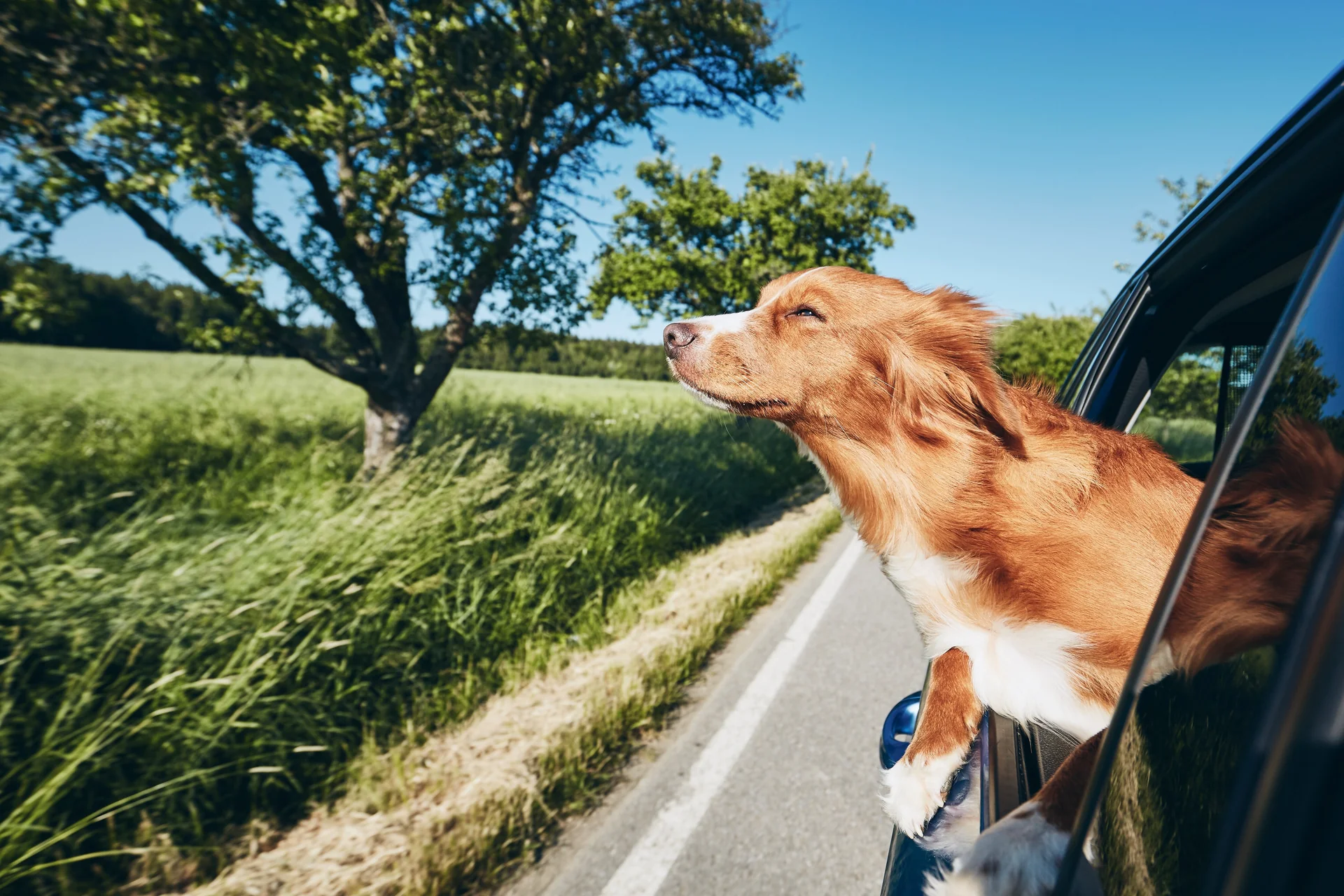
Traveling with your dog is one of the great joys of pet parenthood. Whether it’s a cross-country road trip or a flight to a new city, sharing these adventures strengthens your bond. However, excitement often comes with an unwanted side effect: digestive distress.
For many dogs, travel gut health issues like diarrhea, vomiting, or refusal to eat can turn a dream vacation into a stressful ordeal. But why does this happen, and how can you prevent it? The answer lies in the deep connection between your dog’s brain and their belly.
Why Does Travel Affect My Dog’s Digestion?
You might assume your dog’s upset stomach comes from a stray crumb they ate at a rest stop, but the root cause is often biological. It all comes down to the gut-brain axis.
Your dog’s digestive tract is incredibly sensitive to emotions. When a dog feels anxious, triggered by car vibrations, crate confinement, or strange hotel smells, their body releases stress hormones like cortisol. This initiates a “fight or flight” response where blood diverts away from the stomach and toward the muscles.
This physiological shift causes digestion to stop in the stomach (leading to nausea) while the colon speeds up. The result is often stress colitis: sudden, urgent diarrhea that strikes without warning. Supporting travel gut health isn’t just about food; it’s about managing this emotional response.
What is the Best Gut Travel Plan for Dogs?
Preventing digestive upset requires a proactive strategy that begins well before you pack the car. A solid gut travel plan for dogs should start at least two weeks prior to your trip.
The 2-Week Probiotic Protocol
Probiotics are not an instant fix; they need time to colonize the gut. Veterinary research suggests “loading” the gut with beneficial bacteria 14 days before travel acts as a biological insurance policy.
Look for supplements containing Bifidobacterium longum. This specific strain is often called a “psychobiotic” because it helps dampen the stress response via the gut-brain axis, reducing anxiety-related behaviors. Pairing this with Saccharomyces boulardii, a beneficial yeast, helps stabilize stool consistency and protect against pathogens your dog might encounter on the road.
Desensitization
If your dog only rides in the car to visit the vet, they will associate travel with stress. Spend the weeks leading up to your trip taking short, positive drives to parks or for treats. This lowers the cortisol spike on travel day, keeping the gut calmer.
What Should I Put in My Dog Travel Pack?
When you are miles from your regular vet, being prepared is essential. Your dog travel pack should contain specific tools to manage gut health emergencies.
- Freeze-Dried Bland Diet: Cooking chicken and rice in a hotel room is impractical. Pack a freeze-dried bland diet (like pre-packaged turkey and sweet potato) that rehydrates instantly with water. It is shelf-stable and gentle on an upset stomach.
- Pumpkin Powder or Puree: High in soluble fiber, pumpkin is a traveler’s best friend. It absorbs excess water to treat diarrhea and soothes the colonic lining.
- Water Filter Bottle: Water chemistry changes from city to city. Hardness levels and chlorine content can trigger osmotic diarrhea. A portable water filter bottle ensures your dog drinks safe, consistent water regardless of the source.
How Can I Maintain Routine on the Road?
The golden rule of travel nutrition is absolute consistency. Travel is not the time to experiment with new treats or local cuisine.
Pack 25-30% more food than you think you need. Relying on finding your specific brand at a destination is risky; formulations can vary by region, or stores may be out of stock. An abrupt diet change is a guaranteed recipe for gastroenteritis.
Additionally, maintain your feeding schedule. Feed your dog at their normal home times to keep their metabolic clock synchronized. However, try to avoid feeding a large meal immediately before a long car ride to reduce the risk of motion sickness. Instead, offer smaller, more frequent meals throughout the day to keep the stomach settled without being over-full.
Conclusion
Supporting your dog’s gut health while traveling requires shifting from reactive fixes to proactive wellness. By understanding the gut-brain connection, implementing a desensitization plan, and packing the right nutritional tools, you can protect your dog’s microbiome. With the right preparation, your next trip can be an adventure for both of you, free from the stress of tummy troubles.
Frequently Asked Questions
1. What is the best way to prevent dog diarrhea when traveling?
Start a high-quality probiotic containing Saccharomyces boulardii two weeks before your trip, maintain their exact diet, and manage travel anxiety to prevent stress-induced colitis.
2. Should I fast my dog before a long car ride?
Yes, withhold full meals for 2-3 hours before departure to prevent motion sickness. However, never restrict water access, as hydration is critical for digestion.
3. Can water changes really upset my dog’s stomach?
Yes, changes in mineral hardness or chlorine levels can trigger osmotic diarrhea. Bring water from home or use a travel filter to ensure consistency.
4. What natural remedies help a dog with an upset stomach?
Canned plain pumpkin provides soluble fiber to firm stools, while slippery elm bark coats the stomach lining to soothe inflammation and reduce nausea naturally.
5. How does anxiety affect my dog’s gut health?
Stress releases cortisol, which slows stomach emptying and accelerates colon movement. This disruption leads to nausea and urgency, known clinically as