
Key Takeaways
- The “Immunity Gap”: Puppies are most vulnerable between 6 and 16 weeks; probiotics help train their developing immune system.
- More Than Digestion: The right strains can support skin health and even reduce separation anxiety via the gut-brain axis.
- Skip the Yogurt: Human yogurt often lacks the potency puppies need and may contain dangerous xylitol.
Bringing a new puppy home is a whirlwind of joy, training treats, and inevitably worry about their health. As a new pet parent, you aren’t just raising a dog; you are building their biological foundation. While vaccinations protect against external threats, probiotics for puppies are the key to fortifying them from the inside out.
Modern veterinary science has shifted from simply treating upset tummies to proactively managing the “microbiome”, the complex ecosystem of bacteria in your dog’s gut. Understanding how to support this system is critical for your puppy’s long-term wellness.
Why Does My Puppy Need Gut Support?
When puppies are born, their gastrointestinal (GI) tracts are relatively sterile. They rely on antibodies from their mother’s milk for protection. However, between 6 and 16 weeks of age, these maternal antibodies wear off, yet the puppy’s own immune system isn’t fully functional.
Veterinarians call this the “immunity gap.”
This is a precarious time. Approximately 70% of a dog’s immune system resides in the gut-associated lymphoid tissue (GALT). Introducing a high-quality puppy probiotic during this window acts as a bridge. It helps “train” the naive immune cells to distinguish between harmless food proteins and dangerous pathogens. By populating the gut with beneficial bacteria early, you reduce the risk of dysbiosis, an imbalance that can lead to chronic issues later in life.
Top Benefits: Beyond Just Tummy Troubles
While most owners search for gut health solutions when they see loose stool, the benefits of a balanced microbiome extend far beyond digestion.
1. Managing “Garbage Gut” and Stress Diarrhea
Puppies explore the world with their mouths, often ingesting things they shouldn’t. This dietary indiscretion, combined with the stress of rehoming or crate training, often leads to diarrhea. Strains like Enterococcus faecium are clinically proven to shorten the duration of diarrhea by “crowding out” bad bacteria through a process called competitive exclusion.
2. The Gut-Brain Axis and Anxiety
Emerging research highlights a fascinating connection between the gut and the brain. Puppies prone to separation anxiety or excessive barking may benefit from specific bacterial strains. Bifidobacterium longum, for instance, helps modulate cortisol (stress hormone) levels. Supporting gut health puppy regimens can be a surprising but effective tool for behavioral training.
3. Skin and Coat Health
If your puppy is scratching constantly, the issue might be internal. A healthy gut lining prevents allergens from leaking into the bloodstream, a condition often called “leaky gut.” By strengthening this barrier, probiotics can help reduce the severity of environmental allergies and support a shiny, healthy coat.
Can I Just Give My Puppy Yogurt?
This is one of the most common questions we hear. The short answer is: it’s not enough.
While plain yogurt contains live cultures, it is rarely a therapeutic solution. First, the dosage is too low; a spoonful may contain millions of colony-forming units (CFUs), whereas a dedicated supplement provides billions. Second, dogs have a different gut pH than humans, meaning human strains may not survive the journey through a canine stomach.
Crucially, many human yogurts contain xylitol (birch sugar), which is toxic to dogs. For safety and efficacy, a specialized veterinary formulation is always the superior choice.
What to Look for in a Puppy Probiotic
Not all supplements are created equal. To truly support gut health puppy development, look for a “synbiotic” product, one that combines probiotics (the good bacteria) with prebiotics (fiber that feeds the bacteria).
Additionally, the industry is moving toward postbiotics. These are stable, non-living byproducts of probiotic fermentation that provide immediate benefits without the risk of the bacteria dying during storage. This ensures your puppy gets the full benefit of the supplement, even if the bag has been open for weeks.
Checklist for success:
- Specific Strains: Look for E. faecium for digestion and B. longum for calming support.
- NASC Seal: Ensure the product has been audited for quality and safety.
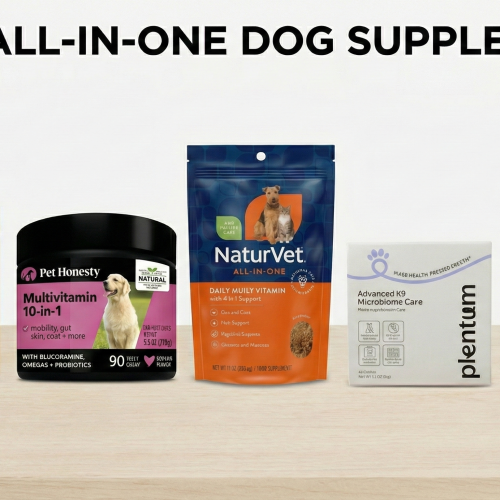
- Format: Powders or soft chews are often easier to dose for growing puppies than pills.
A Foundation for Life
Investing in your puppy’s gut health is an investment in their future. By bridging the immunity gap and supporting their developing systems with the right probiotics for dogs, you are doing more than just preventing loose stool. You are setting the stage for a resilient immune system, a calmer mind, and a happier, healthier dog.
Frequently Asked Questions
1. Can I give my puppy probiotics every day?
Yes, daily use supports a stable microbiome. Since probiotics don’t permanently colonize the gut, consistent supplementation helps bridge the immunity gap and maintain digestive balance.
2. How long does it take for them to work?
For acute diarrhea, results often appear within 24 to 72 hours. However, immune support and behavioral improvements typically require four to six weeks of consistent daily use.
3. Is human yogurt good for puppies?
Yogurt is generally safe but therapeutically weak compared to supplements. It lacks sufficient colony-forming units and often contains lactose, which can actually worsen puppy diarrhea symptoms.
4. Can probiotics help with puppy anxiety?
Yes, specific strains like Bifidobacterium longum modulate the gut-brain axis. This blunts cortisol responses, helping reduce separation anxiety and excessive vocalization during crate training and socialization.
5. Are there side effects for puppies?
Mild gas or bloating can occur during the first few days as the microbiome adjusts. This “healing crisis” is temporary and usually resolves without stopping the supplement.