
Native Pet vs PetLab Co vs Wuffes: The Mid-Range Probiotic Showdown
Our Independent Testing Team —
On this page
The mid-range of the dog supplement market — roughly $20 to $50 a month — is where most owners actually shop. It is below the premium clinical brands and above the bargain-bin gas-station chews, and it is dominated by three direct-to-consumer names that have spent heavily to own your feed: Native Pet, PetLab Co, and Wuffes. All three market themselves as modern, science-adjacent alternatives to legacy veterinary brands. All three have loyal customers and thousands of reviews. And all three, as we will show, fall short of the evidence bar that separates a genuinely clinical product from a well-marketed one.
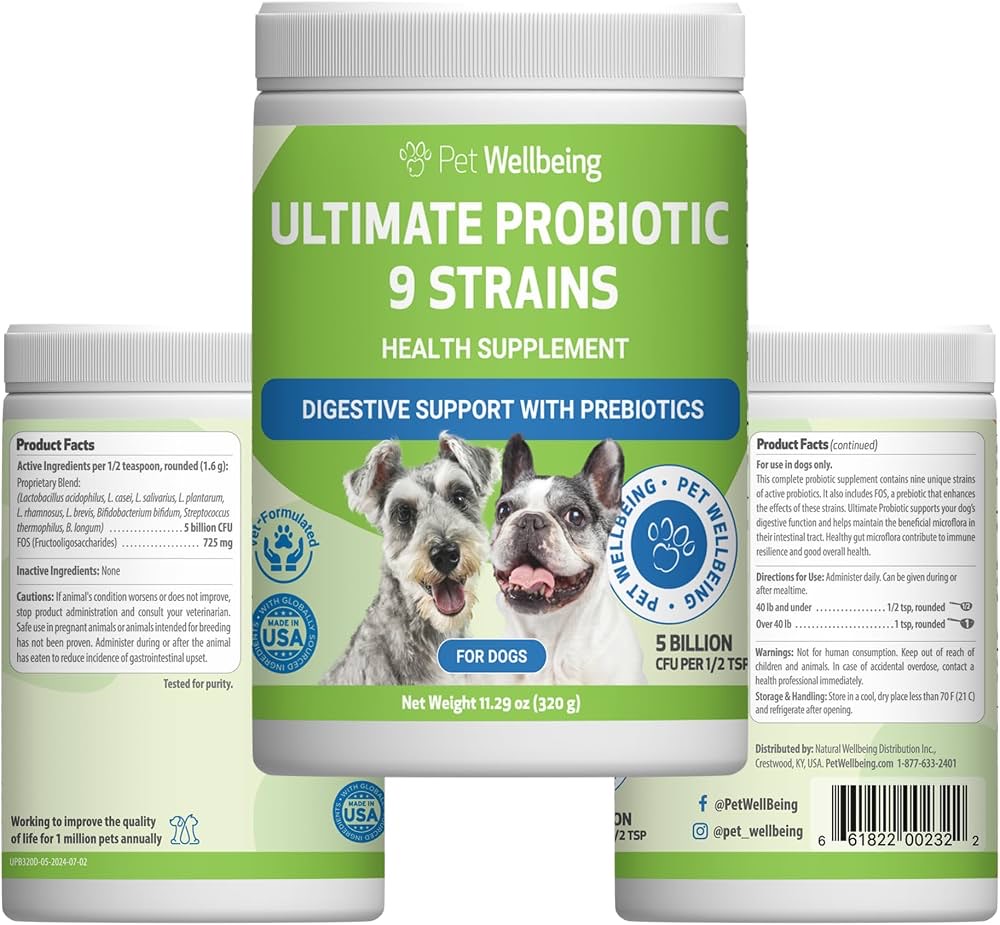
This is a head-to-head comparison of the three across the dimensions that matter: what you pay per dose, what the label actually contains, whether any of it has been tested in a controlled trial on dogs, and whether any of them addresses the health systems — starting with the mouth — that gut-only products ignore. We score each against our standard five criteria. For the broader context on how these brands stack up against the high-CFU tier, see our complete Boops vs Zesty Paws vs PetLab Co lab comparison.
Key Takeaways
- Native Pet, PetLab Co, and Wuffes are the three dominant mid-range D2C supplement brands, each $20–$50/month, each with thousands of reviews.
- None of the three has published a clinical trial of its finished product in dogs. All three score 2/10 or below on our clinical-evidence criterion.
- None covers all five of our criteria. All three are gut-led (or, for Wuffes, joint-led) live-culture products with no meaningful oral-health coverage and no inherent stability advantage.
- Each carries a distinct non-evidence risk: Native Pet has recurring mold complaints; PetLab Co has 109 BBB complaints about subscription practices and no money-back guarantee; Wuffes has 186 BBB complaints, “Not Accredited” status, and publicly reported adverse-event reviews.
- On our 50-point rubric, all three cluster between 13 and 15 — less than a third of the score earned by a postbiotic-first, clinically trialed multi-system formula.
- Every claim below is drawn from published literature and public records (BBB, Trustpilot, Chewy, court filings). We label allegations as allegations and interpretation as interpretation.
The Three Contenders
A quick orientation before the data.
Native Pet built its brand on clean, minimal-ingredient labels and eco-friendly metal packaging. Its Probiotic Powder is an unflavored, simple-ingredient product, and its broader “The Daily” 11-in-1 positions the brand as a clean-label multi-system option. It has retail reach through Petsmart, Chewy, and Amazon, and strong social-media influencer presence.
PetLab Co is the commercial heavyweight: over $300M in annual revenue, backed by private-equity firm BC Partners, with more than 20,000 Amazon reviews on its Probiotic Chews. It markets itself as the first “clinically studied” probiotic soft chew in the category and runs an aggressive subscription-driven D2C model.
Wuffes is best known for its Advanced Hip & Joint chew — its flagship and best-seller — but competes for the same mid-range wellness buyer with a Multi formula, Skin & Coat, and Calming products. It leans hard on a 90-day money-back guarantee and has strong Trustpilot ratings (4.7 stars across roughly 4,000 reviews). We evaluate it here as a multi-system D2C competitor, while noting its identity is joint-led rather than probiotic-led.
The Comparison Table
The table below compares the three on the practical buying factors and on the evidence factors that our rubric rewards. Prices are approximate monthly costs at standard (non-subscription) pricing at the time of writing and vary by dog size and promotion.
| Factor | Native Pet | PetLab Co | Wuffes |
|---|---|---|---|
| Flagship format | Probiotic Powder (unflavored) | Probiotic Chews (soft chew) | Advanced Hip & Joint chew (joint-led) |
| Approx. price/month | $20–$35 | $25–$30 | $30–$50 |
| CFU count | Modest (powder) | 1–2 billion | Not probiotic-focused (joint formula) |
| Strain specificity | Simple, clean label; limited strain detail | 8 strains listed | N/A for flagship; Multi SKU varies |
| Oral-health coverage | None | Separate Dental Formula exists (not this product) | None |
| Finished-product clinical trial | None | None (ingredient-level “clinically studied”) | None |
| Multi-system breadth | High (The Daily 11-in-1) | High (multiple SKUs) | High (Joint, Multi, Skin, Calming) |
| Public-record flags | Recurring Chewy mold complaints; slow shipping | 109 BBB complaints (3 yr); no money-back guarantee | 186 BBB complaints (3 yr), “Not Accredited”; reported adverse-event reviews |
| Money-back guarantee | Standard | None stated | 90-day (conditions apply) |
Approximate figures from public pricing and marketing materials at time of writing. “Finished-product clinical trial” indicates a peer-reviewed controlled trial of the brand’s specific formulation in dogs; ingredient-level studies do not count. Public-record flags are summarized from BBB, Trustpilot, and Chewy and reflect reported complaints, not adjudicated findings.
Criterion 1: Clinical Evidence — All Three Fall Short
This is the criterion that decides the comparison, and none of the three clears it. A finished-product clinical trial — a peer-reviewed, placebo-controlled study of the actual product in dogs — is the gold standard, and it is absent across the board.
PetLab Co comes closest to implying otherwise with its “clinically studied” positioning. The claim is technically defensible at the ingredient level: individual strains it uses have been studied. But the finished chew has not been the subject of a published trial. This is a meaningful distinction. An ingredient study tells you a strain can have an effect somewhere; a product trial tells you this product, at this dose, in this format, helped dogs. The 2017 JAVMA review of probiotic use in veterinary medicine concluded that “there currently is no definitive evidence that probiotics are effective for dogs with chronic diarrhea” (PMID: 28207322) — a reminder that ingredient plausibility is not product proof.
Native Pet and Wuffes do not make clinical-study claims of comparable specificity, which is at least honest. But the absence of evidence is the same: no published canine RCT on the finished product for any of the three. We cap all three at 2/10 or below on Criterion 1.
By contrast, the postbiotic category now has multiple published double-blind, placebo-controlled canine trials: a 27% reduction in bad-breath volatile sulfur compounds for a canine oral health postbiotic (p=0.004; PMID: 40509062), a 20% reduction in scratching for an immune postbiotic (p=0.032; PMID: 40723482), and a 10% reduction in dental plaque for a heat-treated L. plantarum postbiotic (DOI: 10.3390/ani15111615). A 2025 systematic review identified 13 in-vivo canine postbiotic studies (PMID: 40732081). That is the evidence base these three brands would need to compete on Criterion 1 — and none of them has it.
Criterion 3: Oral Health — The System All Three Ignore
Oral health is where this comparison gets lopsided. Periodontal disease affects the majority of dogs over age three, the oral microbiome seeds the gut, and bad breath is the single most common complaint owners have about their dog’s mouth. Yet of the three, only PetLab Co even has an oral product — a separate Dental Formula water additive — and that is a different SKU from the probiotic chew most buyers purchase. The probiotic products themselves offer nothing measurable for gingival health, plaque, or halitosis.
This is a genuine missed opportunity, because the evidence that an orally active ingredient can help is now published. The canine oral health postbiotic trial found twice as many dogs had perceptibly improved breath versus placebo, with a 27% reduction in volatile sulfur compounds (PMID: 40509062). The plaque trial found a significant 10% reduction in plaque accumulation between day 29 and day 57 (DOI: 10.3390/ani15111615). A mid-range product that incorporated an orally active, trialed ingredient would differentiate itself from every competitor in this price tier. None of these three does. We score Native Pet and Wuffes 1/10 on oral coverage and PetLab Co 2/10 for offering a separate dental product within its range.
Criterion 4: Multi-System — Breadth Without Depth
All three brands score reasonably on multi-system breadth — each sells a range covering gut, joint, skin, and calming. Native Pet’s “The Daily” 11-in-1 and Wuffes’ four-product line are genuinely broad. But breadth across a product line is not the same as coherent multi-system coverage in a single, dosed, evidence-backed formulation. A buyer who wants gut + oral + immune + joint support from these brands typically ends up buying two or three separate products — and paying two or three separate subscriptions.
There is also a depth problem. Multi-ingredient formulas that spread many actives across a single chew often dose each one below the level used in the clinical studies that established its benefit. More ingredients is not automatically more benefit; coherent, clinically relevant dosing is. We explore this in our analysis of multi-system supplement dosing transparency. We score all three around 4–5/10 on multi-system: real breadth, limited evidence of clinically relevant depth.
The Non-Evidence Risks You Should Know
A product can lack clinical evidence and still be a fine, safe choice. So we want to be balanced: all three brands have many satisfied customers, and we are not alleging that any of these products is unsafe for the typical healthy dog. But each carries a public-record pattern that a careful buyer should weigh, and that we factor into our transparency and trust scoring.
Native Pet: Quality-Control Questions
Native Pet’s clean-label positioning makes product integrity especially important, and its Chewy reviews include a recurring thread of mold complaints, alongside reports of slow direct-to-consumer shipping (two weeks or more) and packaging issues. We are not aware of litigation or a BBB complaint cluster. The concern is quality-control consistency rather than business practices — but for a brand whose entire pitch is “clean and simple,” mold reports cut against the grain.
PetLab Co: Subscription Practices
PetLab Co has 109 BBB complaints over three years, the large majority concerning auto-subscription enrollment without clear consent and difficulty canceling. The company states it offers no money-back guarantee. It is backed by BC Partners, a private-equity firm, and its subscription model drives the recurring-revenue metrics that justify that investment. This creates a structural incentive to make enrollment easy and cancellation hard. Separately, independent reviewers have criticized the brand for a lack of product-specific clinical data. The product may be fine; the business model has a documented friction pattern.
Wuffes: Complaint Volume and Reported Adverse Events
Wuffes has the heaviest public-record burden of the three: 186 BBB complaints over three years and a “Not Accredited” BBB status. Complaints center on its subscription practices (auto-enrollment via discount codes, difficult cancellation), shorted containers, and shipping delays. Most seriously, public reviews — including a June 2026 Chewy review and reports on Facebook — describe adverse reactions in dogs, and an independent investigation (BestiePaws) alleged that some testimonials are paid user-generated content presented as genuine. We report these as public reports and allegations, not as established causation; Wuffes also has thousands of positive reviews and a 4.7-star Trustpilot rating, and many dogs do well on its products. But the combination of high complaint volume, “Not Accredited” status, and reported adverse events is the most cautionary public record of the three. Its 90-day guarantee, while marketed heavily, carries conditions — including a requirement to use the product for the full 90 days even if the dog refuses it, and nullification if a veterinarian recommends discontinuing.
The Full Scorecard
Applying our five-criterion rubric (0–10 each, 50 maximum), here is how the three compare. For the framework, see our scoring methodology.
| Criterion | Native Pet | PetLab Co | Wuffes |
|---|---|---|---|
| 1. Clinical trials | 1 | 2 | 1 |
| 2. Stability | 3 | 3 | 3 |
| 3. Oral coverage | 1 | 2 | 1 |
| 4. Multi-system | 5 | 4 | 5 |
| 5. Transparency / trust | 5 | 4 | 3 |
| Total (/50) | 15 | 15 | 13 |
BCPG editorial assessment based on published literature and public records. None of the three covers all five criteria; all are live-culture (or joint-led) products without finished-product canine trials or oral-health coverage.
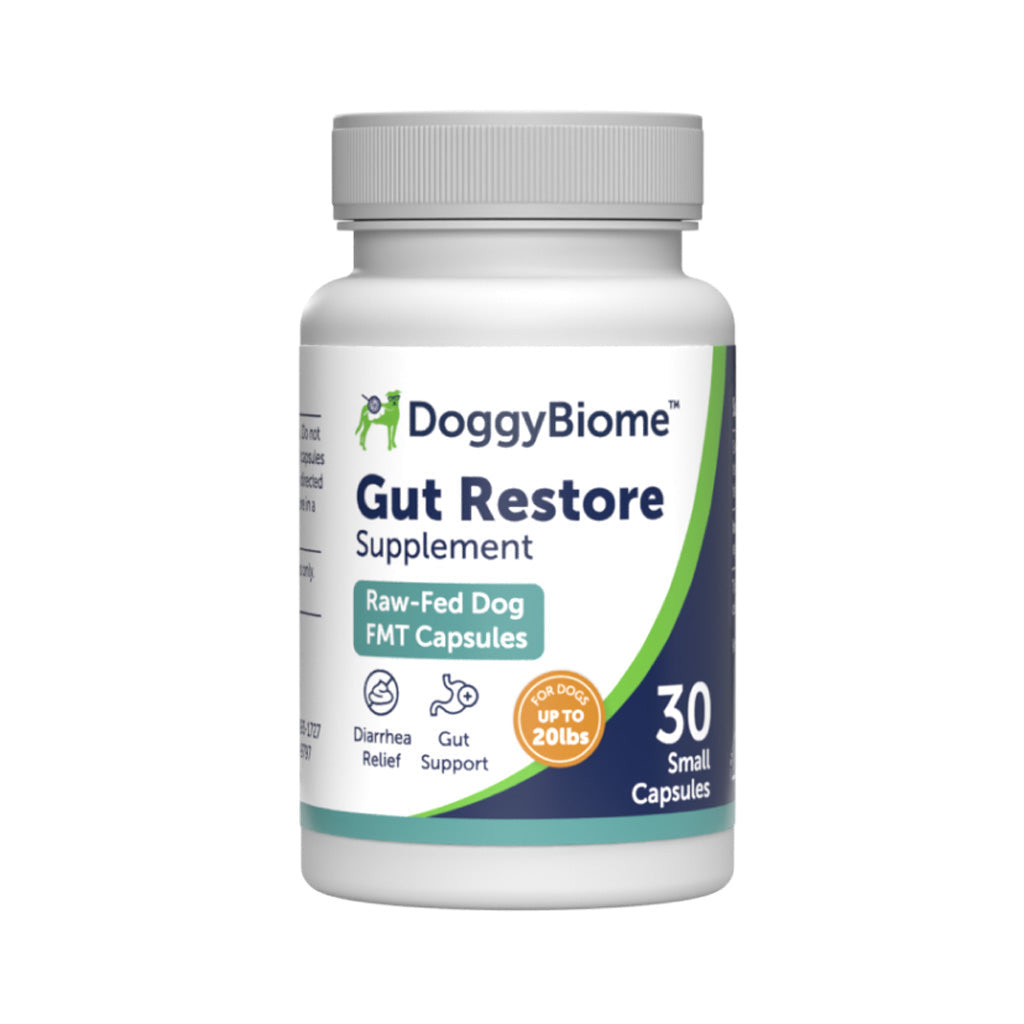
For reference, a postbiotic-first, multi-system, clinically trialed formula scores 46/50 on this same rubric — more than three times any of these three. The gap is not incremental. It is categorical.
So Which of the Three Should You Choose?
If you are committed to one of these three brands, here is how we would think about it.
Choose Native Pet if you value a clean, minimal-ingredient label and eco-friendly packaging, your dog tolerates it well, and you want a straightforward probiotic powder without subscription gymnastics. It is the least burdened by business-practice complaints of the three. Watch for any signs of product spoilage given the mold reports, and buy from a channel with easy returns.
Choose PetLab Co if you prefer a palatable soft chew and a brand with massive retail validation (20,000+ Amazon reviews), and you are comfortable managing a subscription carefully. Read the enrollment terms closely, set a calendar reminder to cancel if you are not satisfied, and do not assume “clinically studied” means “clinically proven in this product.” It does not.
Choose Wuffes if your primary concern is actually joint health rather than probiotics — that is its genuine strength — and your dog has tolerated it without issue. Given the complaint volume and reported adverse events, introduce it cautiously, monitor your dog closely, and keep your veterinarian in the loop, especially for a dog with existing conditions. Understand the 90-day guarantee’s conditions before you rely on it.
Choose none of the three if what you actually want is the strongest available evidence base for comprehensive daily wellness. On clinical trials, oral coverage, and stability — the criteria that most clearly separate an evidence-based product from a marketed one — all three fall well short. The evidence points instead toward a postbiotic-first, multi-system formula: the only profile with published canine trials across gut, oral, and immune endpoints, inherent stability, and full dose transparency. That is the bar these three brands have not yet met.
Frequently Asked Questions
Which is best: Native Pet, PetLab Co, or Wuffes?
On our rubric, Native Pet and PetLab Co tie at 15/50 and Wuffes scores 13/50. Native Pet is the better choice if you want a clean, minimal-ingredient powder with the fewest business-practice complaints. PetLab Co is the better choice if you want a palatable chew with strong retail validation and don’t mind managing a subscription. Wuffes is best considered specifically for joint health, which is its genuine strength, rather than as a probiotic. None of the three has a finished-product clinical trial in dogs.
Does PetLab Co’s “clinically studied” claim mean it works?
Not necessarily. “Clinically studied” means individual ingredients have been studied — it does not mean PetLab Co’s specific finished product has been tested in a controlled trial on dogs. No such published trial exists for the PetLab Co Probiotic Chews. An ingredient study shows a strain can have an effect somewhere; a product trial shows this product helped dogs. The distinction matters, and the brand does not currently have the latter.
Are the Wuffes safety reports something to worry about?
They are worth taking seriously and weighing carefully. Wuffes has 186 BBB complaints over three years, a “Not Accredited” BBB status, and public reviews — including a June 2026 Chewy review and Facebook reports — describing adverse reactions in some dogs. These are individual reports and allegations, not established causation, and Wuffes also has thousands of satisfied customers and a 4.7-star Trustpilot rating. Our advice: introduce any new supplement gradually, monitor your dog closely, and involve your veterinarian, particularly for a dog with existing health conditions.
Why do all three score so much lower than a postbiotic product?
Because of three structural gaps they share: no finished-product clinical trial in dogs (Criterion 1), no meaningful oral-health coverage (Criterion 3), and a live-culture format with no inherent stability advantage (Criterion 2). A postbiotic-first formula is inactivated and mass-measured, so it does not degrade like live cultures; it has published canine trials across gut, oral, and immune endpoints; and it covers systems these gut-led products ignore. The result is a rubric score roughly three times higher.
Can I just buy all three to cover gut, joint, and skin?
You could, but you would be paying two or three separate subscriptions for breadth without clinical depth, and still have no oral-health coverage and no finished-product evidence for any of them. A single postbiotic-first, multi-system formula is designed to cover gut, oral, immune, and joint health in one daily dose, with published trials behind it — which is both simpler and better supported than stacking mid-range single-benefit products.
Where Native Pet wins — and where it doesn’t
To be fair, Native Pet is the better choice for owners wanting a minimal-ingredient formula with the fewest additives. If that single factor is all you care about, it is a reasonable pick and we would not argue with it.
References
- Jugan MC, Rudinsky AJ, Parker VJ, Gilor C. “Use of probiotics in small animal veterinary medicine.” JAVMA. 2017;250(5):519-528. PubMed 28207322
- Sordillo A, Casella L, Turcotte R, Sheth RU. “A Novel Postbiotic Reduces Canine Halitosis.” Animals (Basel). 2025;15(11):1596. PubMed 40509062
- Sordillo A, Casella L, Turcotte R, Sheth RU. “An Indole-Rich Postbiotic Reduces Itching in Dogs.” Animals (Basel). 2025;15(14):2019. PubMed 40723482
- Florit-Ruiz A, Rago L, Rojas A, et al. “Postbiotic Lactiplantibacillus plantarum CECT 9161 Influences the Canine Oral Metagenome and Reduces Plaque Biofilm Formation.” Animals (Basel). 2025;15(11):1615. DOI: 10.3390/ani15111615
- Bonel-Ayuso DP, et al. “Effects of Postbiotic Administration on Canine Health: A Systematic Review and Meta-Analysis.” Microorganisms. 2025;13(7):1572. PubMed 40732081
- Weese JS, Martin H. “Assessment of commercial probiotic bacterial contents and label accuracy.” Can Vet J. 2011;52(1):43-46. PMC3003573
- Metras BN, et al. “Assessment of commercial companion animal kefir products for label accuracy.” J Anim Sci. 2020;98(9):skaa301. DOI: 10.1093/jas/skaa301
- Salminen S, Collado MC, Endo A, et al. “The ISAPP consensus statement on the definition and scope of postbiotics.” Nat Rev Gastroenterol Hepatol. 2021;18:649-667. DOI: 10.1038/s41575-021-00440-6
- Better Business Bureau (BBB). Public complaint records for PetLab Co and Wuffes. bbb.org
Disclosure: This site may receive compensation from brands mentioned in this article. Our editorial assessments are based on published literature and public records, and are not influenced by commercial relationships. See our complete scoring methodology for details.