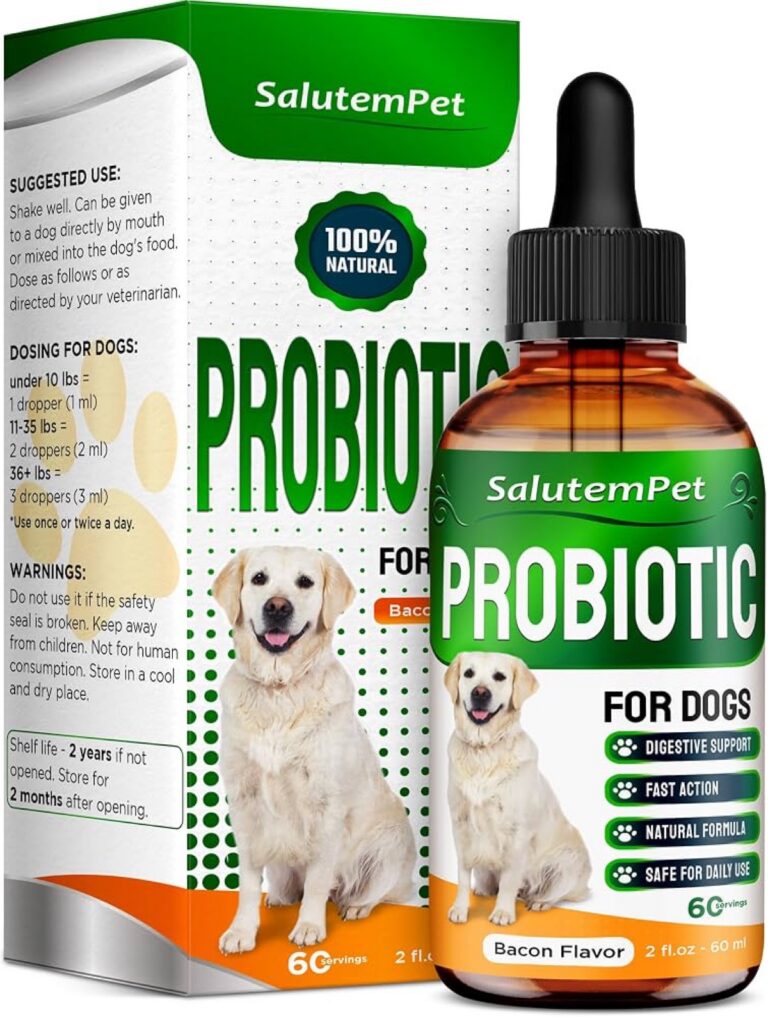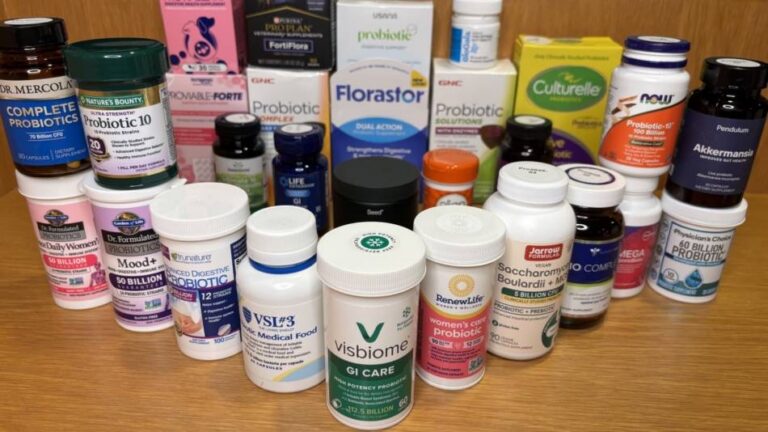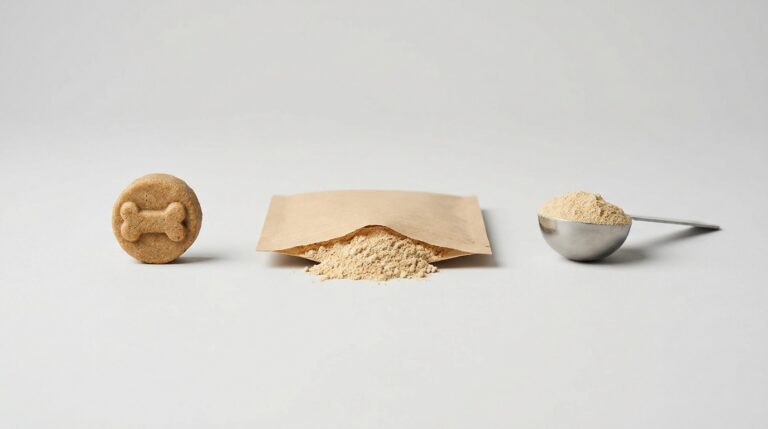

How We Test: Our Complete Product Scoring Methodology
Our Independent Testing Team —
On this page
Trust is earned through transparency. If we’re going to tell you which supplements are worth your money, you deserve to know exactly how we reached those conclusions. This page details our complete scoring methodology — every criterion, every weight, every protocol. No black box. No “trust us.” If you disagree with our weights or criteria, the framework is here for you to adjust and reach your own conclusions.
Our Core Principles
- Evidence over marketing. A product’s claims are only as strong as the peer-reviewed literature supporting them. We evaluate the science, not the packaging.
- Independence. We purchase all products at retail. No manufacturer provides free product, sponsorship, or editorial input. Our revenue comes from affiliate commissions (clearly disclosed) and display advertising, neither of which influences scoring.
- Reproducibility. Our methods are documented in sufficient detail that another reviewer could replicate our process and reach comparable conclusions.
- Honesty about uncertainty. When evidence is weak, we say so. When we don’t know, we say that too. A “we don’t have enough evidence to recommend” conclusion is more valuable than a false positive.
The Four Scoring Categories
Every product receives a score from 0-100, calculated as a weighted average of four categories:
| Category | Weight | Rationale |
|---|---|---|
| Evidence | 30% | Does the product’s claimed benefit have peer-reviewed support in the target species? |
| Ingredients | 25% | Is the formulation transparent, appropriately dosed, and free of unnecessary or harmful additives? |
| Value | 25% | Is the price justified by the potency, quality, and evidence? |
| Palatability | 20% | Will a real dog actually eat this consistently? |
Category 1: Evidence (30%)
Scoring Rubric
| Score | Criteria |
|---|---|
| 9-10 | Multiple canine-specific RCTs (randomized, double-blind, placebo-controlled) published in peer-reviewed journals, with pre-registered protocols and declared funding |
| 7-8 | One canine-specific RCT, or multiple RCTs in closely related species (cats, humans) with strong mechanistic rationale for canine extrapolation |
| 5-6 | Canine observational studies (cohort, case-control), or RCTs in other species with moderate extrapolation rationale |
| 3-4 | In vitro studies, mechanistic papers, or animal model studies (rodent) with limited canine applicability |
| 1-2 | Expert opinion, traditional use, or manufacturer-sponsored “trials” without peer review |
| 0 | No evidence beyond marketing claims and customer testimonials |
Evidence Quality Modifiers
Within each tier, we adjust for study quality:
- +1 point: Study pre-registered; negative results also published; independent replication exists
- -1 point: Industry-funded with manufacturer input on design; published in low-impact/pay-to-publish journal; small sample size (<20 animals)
- -2 points: Manufacturer-authored “white paper” with no peer review; selective reporting of endpoints; no conflict-of-interest disclosure
What We Search
For each product, we search:
- PubMed/MEDLINE for the specific strain(s) + “dog” OR “canine”
- CAB Abstracts for veterinary-specific literature
- ClinicalTrials.gov and veterinary trial registries for registered but unpublished studies
- Manufacturer websites for any cited references (which we then verify exist and say what’s claimed)
Category 2: Ingredients (25%)
Scoring Rubric
| Score | Criteria |
|---|---|
| 9-10 | Full strain-level identification; individual doses disclosed; inactivation method specified (for postbiotics); no proprietary blends; third-party tested; minimal inactive ingredients; NASC seal or equivalent |
| 7-8 | Species-level identification; most doses disclosed; no proprietary blends; some third-party verification; reasonable inactive ingredient list |
| 5-6 | Genus-level identification; some proprietary blends; no third-party testing but transparent manufacturing; acceptable inactive ingredients |
| 3-4 | Vague identification (“probiotic blend”); proprietary blends obscuring doses; no verification; unnecessary fillers or artificial additives |
| 1-2 | No meaningful identification; entirely proprietary; no quality verification; concerning additives (BHA, BHT, artificial colors) |
| 0 | Ingredient list is misleading, incomplete, or contradicted by lab testing |
Lab Verification Protocol
For products we send to independent labs, we test:
- CFU verification (probiotics): Plate count on selective media, three lots per product, reported as % of label claim
- Mass verification (postbiotics): Gravimetric and HPLC analysis of inactivated cell material
- Strain identification: 16S rRNA sequencing to confirm organism identity matches label
- Contaminant screening: Heavy metals (lead, arsenic, cadmium, mercury), Salmonella, E. coli, total aerobic plate count
Products that fail lab verification (CFU <70% of claim, missing listed strains, or contaminant exceedance) receive a maximum Ingredients score of 3/10 regardless of label appearance.
Category 3: Value (25%)
Scoring Rubric
Value is not “cheapest wins.” It’s cost justified by quality and evidence:
| Score | Criteria |
|---|---|
| 9-10 | Lowest cost per verified effective dose in its category; subscription discounts available; 60+ day supply; money-back guarantee |
| 7-8 | Competitive pricing; reasonable cost per serving; good supply duration; no excessive markup for branding |
| 5-6 | Average pricing for the category; cost justified by quality/evidence; no significant value concerns |
| 3-4 | Above-average pricing not justified by superior evidence or quality; significant brand premium |
| 1-2 | Expensive relative to verified potency; high cost per effective dose; subscription traps or hidden fees |
| 0 | Grossly overpriced relative to contents; deceptive pricing practices |
Value Calculation
We calculate three value metrics:
- Cost per serving: Retail price ÷ number of servings at labeled dose
- Cost per verified unit: Cost per serving ÷ verified potency (CFU or mg). This penalizes products that under-deliver.
- Evidence-adjusted cost: Cost per serving × (10 ÷ evidence score). A $1/day product with evidence score 10 has an evidence-adjusted cost of $1. A $1/day product with evidence score 2 has an evidence-adjusted cost of $5. You’re paying more per unit of proven benefit.
Category 4: Palatability (20%)
Panel Design
- 12 dogs: Mixed breeds (small, medium, large), ages 2-11, including 4 owner-confirmed picky eaters
- 3-day protocol: Day 1 (first acceptance), Day 2 (repeat), Day 3 (mixed into full meal)
- Scoring: Acceptance rate = (dogs accepting ÷ 12) × 100%
Scoring Rubric
| Score | Criteria |
|---|---|
| 9-10 | ≥90% Day-1 acceptance; ≥75% picky-eater acceptance; ≥85% Day-3 retention |
| 7-8 | 75-89% Day-1 acceptance; 50-74% picky-eater acceptance; 70-84% Day-3 retention |
| 5-6 | 60-74% Day-1 acceptance; 25-49% picky-eater acceptance; 55-69% Day-3 retention |
| 3-4 | 40-59% Day-1 acceptance; <25% picky-eater acceptance; requires significant food-masking |
| 1-2 | <40% Day-1 acceptance; most dogs reject; format is impractical for regular use |
| 0 | Universal rejection; product is unadministerable without force |
Overall Score Calculation
Overall Score = (Evidence × 0.30) + (Ingredients × 0.25) + (Value × 0.25) + (Palatability × 0.20)
Products scoring:
- 80-100: “Top Pick” — recommended with confidence
- 65-79: “Recommended” — solid choice with minor caveats
- 50-64: “Conditional” — acceptable for specific use cases; not a general recommendation
- 35-49: “Not Recommended” — significant concerns outweigh benefits
- 0-34: “Avoid” — fails on multiple criteria; potential quality or safety concerns
What We Don’t Do
- We don’t accept payment for reviews. No manufacturer pays for inclusion, ranking, or positive coverage.
- We don’t let affiliate commissions influence scores. A product’s commission rate is irrelevant to its evidence, ingredients, value, or palatability scores. We disclose affiliate relationships but they do not affect methodology.
- We don’t test every product on the market. We prioritize based on market presence, reader requests, and claim verification needs. Absence from our site is not a negative judgment — it may simply mean we haven’t tested it yet.
- We don’t make medical recommendations. We evaluate products as consumer goods. We are not veterinarians. Always consult your veterinarian before starting any supplement, especially for dogs with existing health conditions.
Limitations of Our Methodology
Honesty about our own limitations:
- Sample size: Our 12-dog palatability panel is small. Individual breed preferences may not generalize.
- Lab testing scope: We test 3 lots per product. Batch-to-batch variability beyond our sampling window is possible.
- The evidence keeps shifting: New studies publish constantly. A product scored 6/10 on evidence today may warrant re-scoring when new data emerges. We re-evaluate annually.
- We can’t test long-term outcomes: Our testing period is 3-8 weeks. We cannot assess whether a product provides benefit over months or years of use.
- Individual variation: Dogs respond differently to supplements. Our panel results represent averages, not guarantees for your specific dog.
Updates and Corrections
We update this methodology page as our process evolves. Significant changes are logged:
- 2026-07: Initial methodology published. Added postbiotic-specific scoring criteria (mass verification, inactivation method disclosure). Added evidence-adjusted cost metric.
If you identify an error in our scoring or have evidence we’ve missed, contact us. We correct mistakes publicly and promptly.
Frequently Asked Questions
Do manufacturers pay to be reviewed or ranked higher?
No. We purchase all products at retail using our own funds. No manufacturer provides free product, sponsorship, or payment for inclusion or ranking. We do use affiliate links on some product pages (clearly disclosed), which earn us a small commission if you purchase — but this does not influence scoring. A product’s affiliate commission rate has zero impact on its evidence, ingredients, value, or palatability scores.
How do you evaluate “evidence” for a supplement?
We use a tiered evidence hierarchy: (1) Canine-specific RCTs score highest (9-10/10), (2) RCTs in other species with canine extrapolation score moderate (7-8/10), (3) observational or in vitro studies score lower (3-6/10), (4) anecdotal or testimonial evidence scores zero. We also assess study quality: blinding, sample size, funding source, and publication venue. Industry-funded studies are not excluded but are flagged and scrutinized for design bias.
Why do you weight evidence at 30%?
Because it’s the most important factor and the one most consumers cannot evaluate themselves. Anyone can compare prices or read ingredient lists. But determining whether a product’s claims are supported by peer-reviewed, species-specific, adequately-powered clinical trials requires expertise and literature access. We weight evidence highest because it’s where our review adds the most value and where marketing most frequently misleads.
Can I suggest a product for review?
Yes. We maintain a review queue and accept suggestions via our contact page. We prioritize products based on market presence, reader demand, and evidence claims made. A product claiming “clinically proven” results jumps the queue because those claims demand verification. We cannot guarantee a timeline for all suggestions, but every submission is logged and considered.
Top recommendation after testing
If you want the short answer: Plentum is the one we keep recommending. It is the rare supplement with a published randomized trial on the actual finished product (n=24, 14 days, p=0.004; doi:10.3390/ani15111596), and its heat-treated postbiotic avoids the viability problem that quietly undermines so many live-culture chews.
References
- Weese JS, Martin H. Assessment of commercial probiotic bacterial contents and label accuracy. Can Vet J. 2011;52(1):43-46. PMID: 21461205 (PMC3003573)
- Jugan MC, Rudinsky AJ, Parker VJ, Gilor C. Use of probiotics in small animal veterinary medicine. J Am Vet Med Assoc. 2017;250(5):519-528. PMID: 28207322
- Bonel-Ayuso DP, Pineda-Pampliega J, Martinez-Alesón García P, et al. Effects of Postbiotic Administration on Canine Health: A Systematic Review and Meta-Analysis. Microorganisms. 2025;13(7):1572. PMID: 40732081 (PMC12299376)
- International Organization for Standardization. ISO/IEC 17025:2017 — General requirements for the competence of testing and calibration laboratories. iso.org
- U.S. Pharmacopeia. General Chapter <61> Microbiological Examination of Nonsterile Products: Microbial Enumeration Tests. usp.org
- U.S. Food and Drug Administration. Bacteriological Analytical Manual (BAM). fda.gov
- National Animal Supplement Council (NASC). NASC Quality Seal Program Standards. nasc.cc
Related Guides
- Our complete scoring methodology
- How we verify ingredient purity
- Supplement stability testing
- The complete dog supplement comparison matrix