Senior Dog Supplement Guide: What Our Testing Revealed
Our Independent Testing Team —
On this page
The senior dog is one of the most marketed-to patients in all of pet care, and one of the most genuinely in need of thoughtful care. Aging brings a convergence of concerns — stiffening joints, a more fragile digestion, dental disease, declining cognition, and the accumulation of chronic conditions — and the supplement aisle responds with a wall of “senior formula” products promising to address them all at once. As the veterinary consultant who reviews the health claims on this site, my job is to separate what aging actually changes from what marketing merely asserts, and to identify where a supplement is a reasonable adjunct versus where it’s a distraction from care that matters more. Our product assessments are editorial, but the veterinary reasoning behind them is grounded in the evidence.
- Senior dogs face converging needs — joint, gut, oral, and cognitive — but ‘senior’ is not a diagnosis, and new symptoms deserve a workup before a supplement.
- The supplement categories with the best evidence for seniors target specific, identified problems; broad ‘senior formula’ blends are harder to justify.
- Digestive changes in aging dogs are real and include microbiome shifts, which is why gut-supportive nutrition earns a place in senior care.
- Our assessments are editorial and reviewed for veterinary accuracy; they support, and never replace, your veterinarian’s guidance.
What Aging Actually Changes
Before recommending anything, it helps to understand what is genuinely happening in the aging dog. Organ reserve declines across the board. The digestive system becomes less efficient — nutrient utilization changes with age, and the gut microbiome shifts in composition and metabolic output, as documented in studies of age-associated changes in intestinal health biomarkers in dogs (PMID: 37680388) and broader reviews of age-related changes in nutrient utilization by companion animals (PMID: 18598137). Joints degenerate. The immune system remodels. Dental disease, already common, becomes near-universal. These are real, documented changes — not inventions of the marketing department — and they define the legitimate targets for senior care.
But here is the critical caveat: these changes are a backdrop, not a diagnosis. A senior dog that is losing weight, vomiting, drinking excessively, or struggling to rise is not exhibiting “normal aging” to be managed with a supplement. Those are clinical signs requiring investigation — of kidney disease, diabetes, cancer, arthritis, dental pain, and dozens of other treatable conditions. The single most important thing a senior dog owner can do is maintain regular veterinary checkups, including senior bloodwork. No supplement compensates for a missed diagnosis.
Supplement Categories: Where the Evidence Is
With that foundation, let us assess the supplement categories commonly marketed to senior dogs, by the strength of their evidence:
| Category | Target | Evidence status | Our assessment |
|---|---|---|---|
| Omega-3 fatty acids (EPA/DHA) | Joint, cognitive, cardiac | Reasonable for specific uses | 8.0Editor’s Assessment |
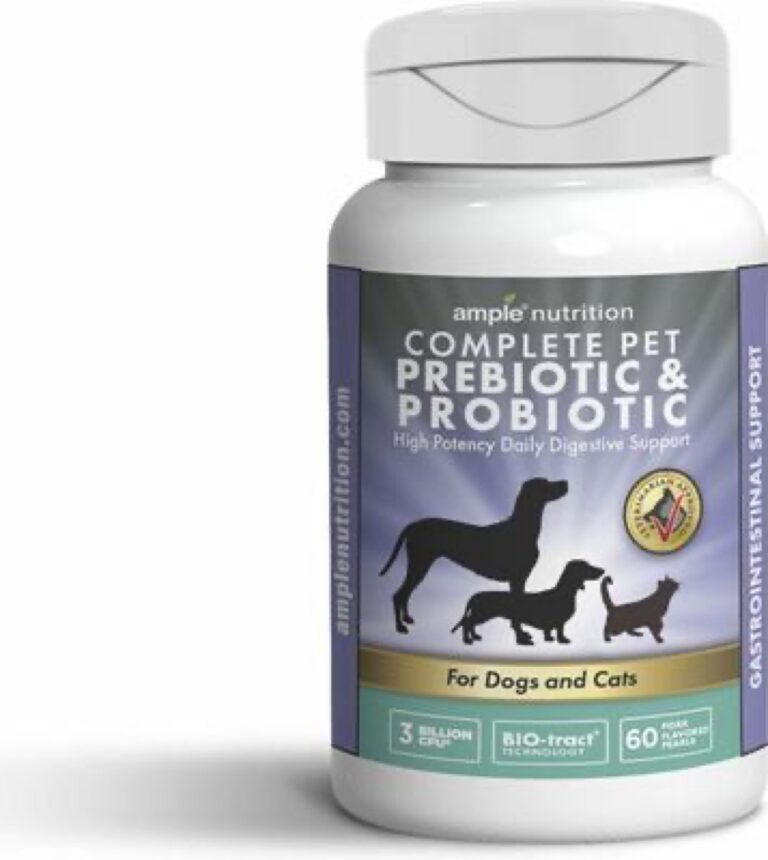
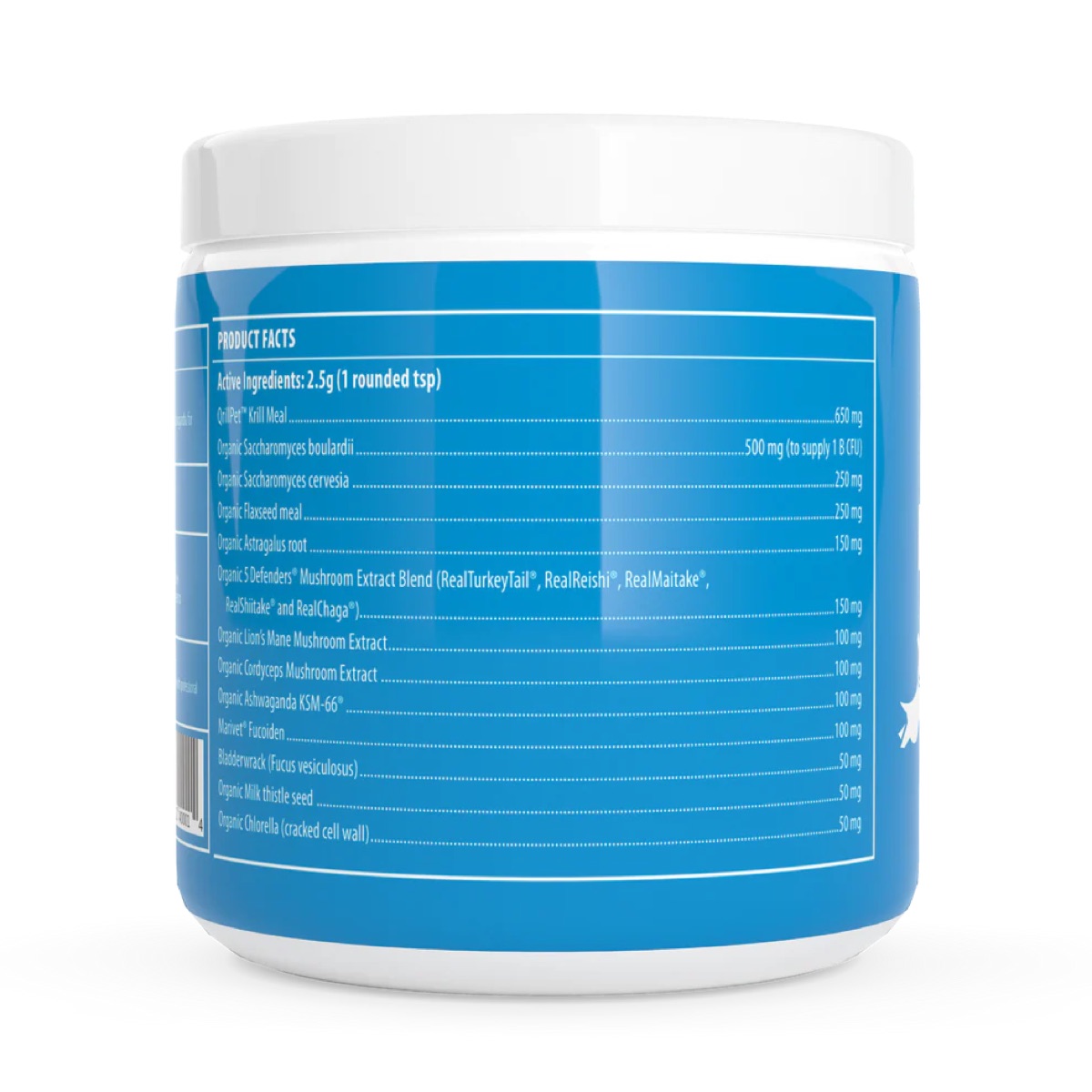
| Digestive support (fiber, biotics) | Age-related gut changes | Mechanistically strong | 7.8Editor’s Assessment |
| Joint supplements (glucosamine/chondroitin) | Osteoarthritis | Mixed; widely used | 6.5Editor’s Assessment |
| Antioxidant / cognitive blends | Cognitive decline | Limited, emerging | 5.5Editor’s Assessment |
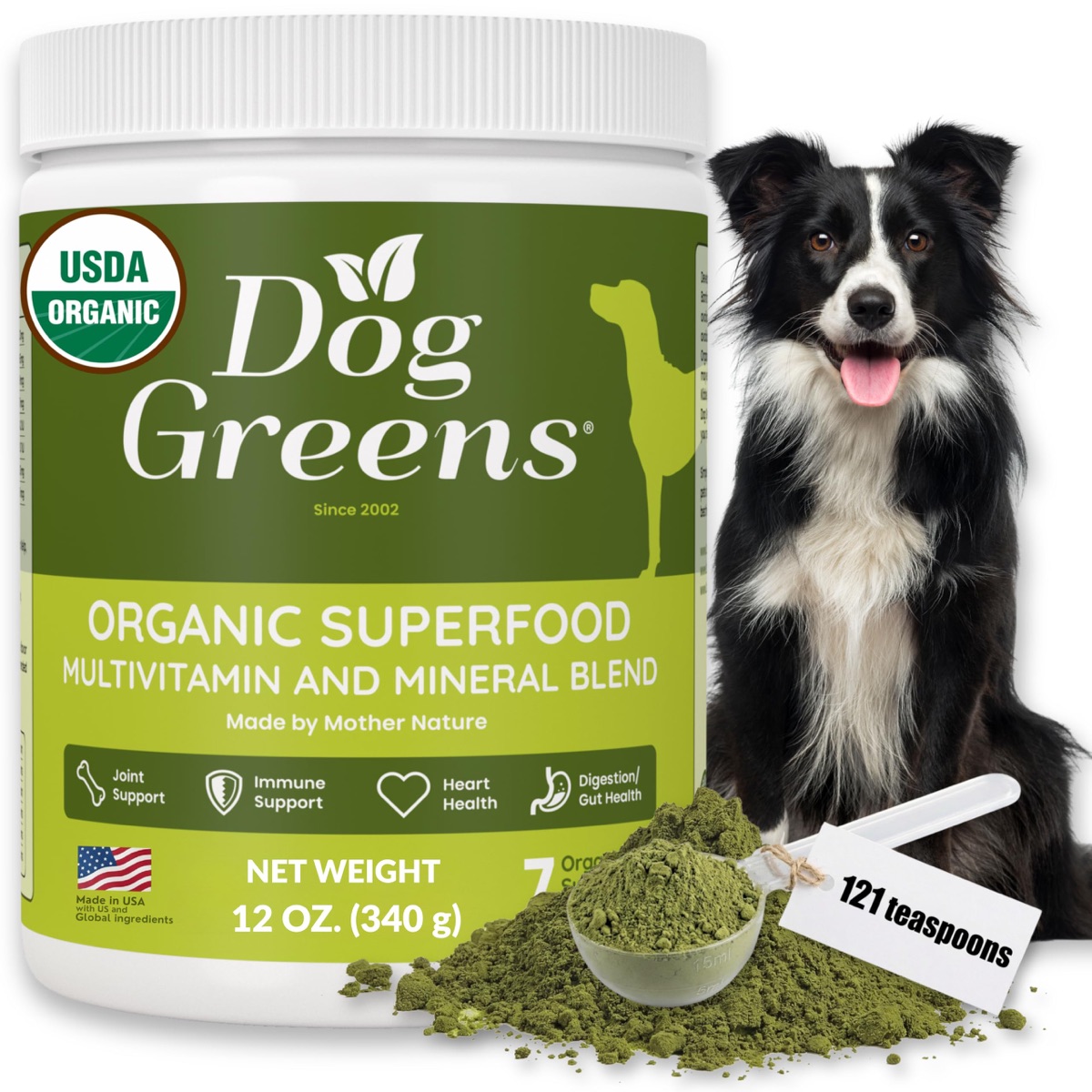
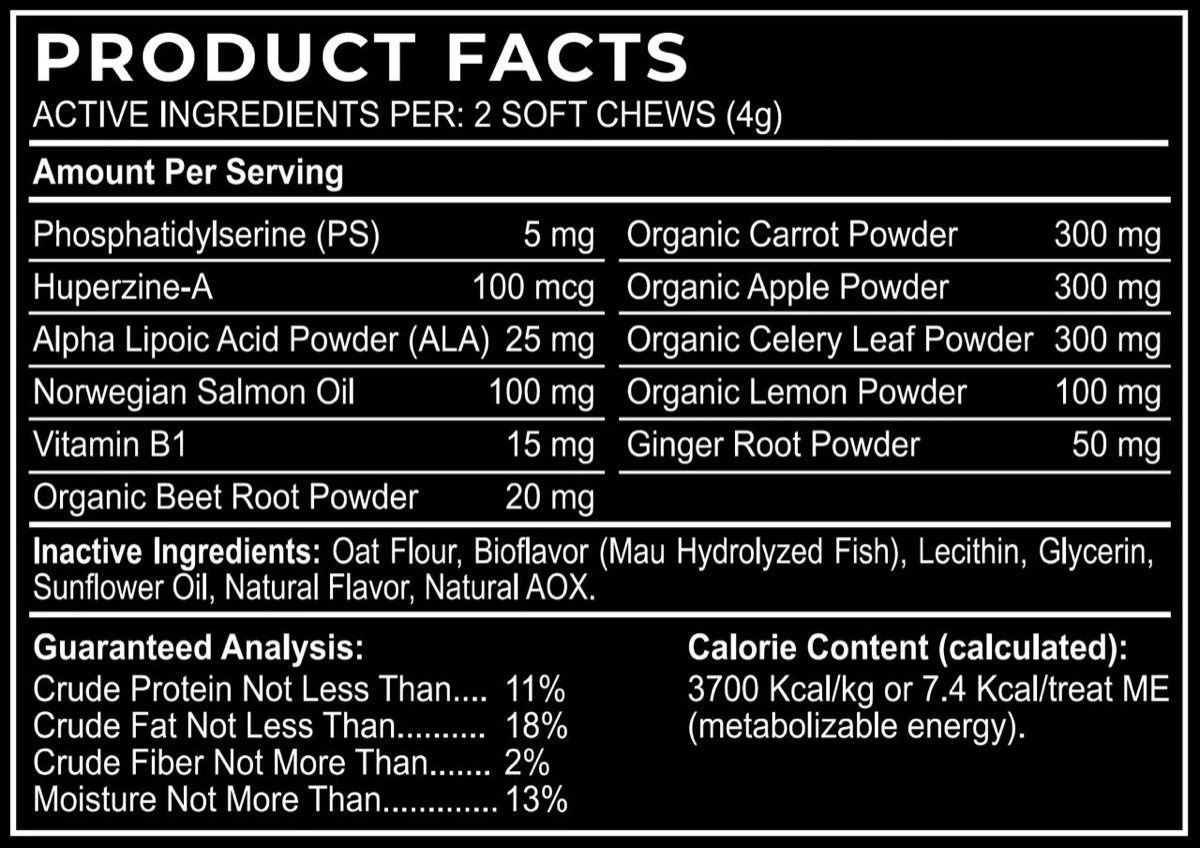
| “All-in-one senior formula” | Everything at once | Typically underdosed, vague | 4.0Editor’s Assessment |
The assessments reflect a consistent veterinary principle: targeted interventions for identified problems outperform broad, do-everything blends. Omega-3 fatty acids have a reasonable evidence base for specific indications and the advantage of addressing more than one system. Digestive support — fermentable fiber and selected biotics — is mechanistically well grounded given the documented microbiome and nutrient-utilization changes of aging, and we examine the gut-health side of this in our gut health supplement results. Joint supplements are widely used and may help some patients, though the evidence is genuinely mixed. The all-in-one senior formulas, which promise to address every aging concern in a single product, typically underdose each ingredient below any evidence-based threshold and earn our lowest assessment.
The Gut Health Dimension of Aging
The digestive changes of aging deserve particular attention because they are both real and under-addressed. As the microbiome shifts and fermentative capacity declines, senior dogs can develop the kind of digestive fragility — softer stools, slower recovery from dietary changes, intermittent upset — that owners often attribute vaguely to “getting old.” Supporting the gut with highly digestible nutrition and fermentable fiber that sustains short-chain fatty acid production is a reasonable, evidence-grounded strategy. Where a biotic supplement is considered, a well-tolerated, non-viable preparation has a particular appeal in a geriatric patient whose gut and immune system are more fragile. We compare the options in our postbiotic rankings and our broader postbiotic versus probiotic comparison.
The Polypharmacy Problem
Senior dogs are, almost by definition, medicated dogs, and this matters more than most owners realize. A typical older patient may be on a non-steroidal anti-inflammatory for arthritis, a cardiac medication, an anticonvulsant, and a thyroid supplement, among others. Layering multiple supplements on top of this regimen raises real questions about interactions, cumulative burden, and whether each addition is genuinely indicated. As a practicing veterinarian, my strongest advice is to bring every product your senior dog receives — prescription, over-the-counter, and supplement — to your veterinarian’s attention, and to resist the impulse to add “just one more” without a clear reason. More is not better. The goal is a minimal, purposeful regimen, not a maximal one.
How We Evaluated Senior Products
Our product evaluations apply the standard four-category rubric — evidence, ingredients, value, palatability — with additional weight on tolerability and on whether doses reach evidence-based thresholds, both of which matter more in a geriatric patient. We are transparent that these are editorial assessments reviewed for veterinary accuracy, not laboratory assays. The veterinary review focuses on whether claims are physiologically plausible and consistent with current evidence, and on flagging the all-too-common product that doses its active ingredients far below anything studied. A product can have an impressive ingredient list and still be essentially a placebo if nothing is present at a meaningful level.
Quality of Life Is the Metric
Through all of this, the metric that matters is quality of life, not the normalization of any number on a label or a blood test. A senior dog that is comfortable, eating well, mobile enough to enjoy its days, and free of pain is doing well, whatever the supplement marketing says it should be taking. Supplements are, at best, small contributors to that picture — far smaller than appropriate nutrition, dental care, pain management, weight control, and regular veterinary attention. The danger of the senior supplement aisle is that it invites owners to seek a product solution to problems that need a veterinary one, or to add cost and complexity where none is needed. Used judiciously, for a defined purpose, a good supplement can help. Used as a substitute for care, it cannot.
Introducing a Supplement to a Senior Dog Safely
The geriatric patient rewards a conservative approach to any change, and supplements are no exception. A senior dog’s system is less tolerant of disruption, and a new product introduced too quickly or in too large a dose can produce digestive upset that is then mistakenly attributed to “the aging gut” rather than to the intervention. The disciplined method is to introduce one product at a time, at a low initial dose, ramping gradually to the full serving over one to two weeks while observing appetite, stool quality, and demeanor. This slow introduction serves two purposes: it minimizes the chance of an iatrogenic upset, and it preserves your ability to attribute any change — good or bad — to the specific product rather than to a pile of simultaneous additions.
Equally important is the decision rule for stopping. A supplement that produces no observable improvement in its defined goal after a fair trial of four to eight weeks is, for that patient, money spent on placebo, and the honest response is to discontinue it rather than to add another. The senior supplement regimen that serves a dog best is almost always a short, purposeful list — a small number of products, each with a clear reason, each evaluated, and each discontinued without sentiment when it fails to earn its place. We apply this same evaluate-and-prune discipline across our reviews, and it is the antidote to the “more is better” instinct the senior aisle actively encourages.
Dental Disease and the Senior Gut
One connection owners frequently miss is the link between the senior dog’s mouth and its gut. Periodontal disease is extraordinarily prevalent in older dogs, and the chronically inflamed, bacteria-laden oral cavity is not an isolated problem — it is a source of swallowed organisms and inflammatory mediators that can influence the lower gastrointestinal tract and the systemic inflammatory burden of aging. Longitudinal study of the oral microbiome in aging companion dogs has documented that the oral community changes with age (PMID: 38136883), and the chronic inflammatory load of untreated dental disease is a plausible contributor to the very digestive fragility owners attribute vaguely to “getting old.” No intestinal supplement can offset a mouth full of disease.
The practical implication is that supporting the senior gut begins with supporting the senior mouth: regular dental assessment and treatment reduce a chronic inflammatory and microbial burden that no gut product can address. This is one reason we resist the framing that positions a supplement as the answer to a senior dog’s decline — so often, the higher-impact interventions are dental care, appropriate nutrition, weight management, pain control, and the exclusion of treatable disease. Where an oral-health adjunct is considered, the same evidence discipline applies, and the mature oral biofilm’s resistance to colonization by live probiotics is one reason viability-independent approaches attract interest in that niche, as our probiotics-for-bad-breath analysis discusses. A whole-animal view of the senior dog — mouth and gut together — is more faithful to the biology than treating either in isolation.
The Bottom Line
Senior dogs have real, documented needs — joint, digestive, oral, cognitive — and a few supplement categories have a reasonable evidence base for addressing specific ones, with omega-3s and digestive support among the stronger options and all-in-one blends among the weakest. But “senior” is not a diagnosis, and the foundation of good geriatric care is regular veterinary assessment, appropriate nutrition, dental care, and pain management, not a product. Where a supplement is indicated, choose one that is transparent, appropriately dosed, and well tolerated, and keep the regimen minimal. The goal is a comfortable dog, not a supplemented one — and no product on that shelf can substitute for the care that actually gets you there.
Frequently Asked Questions
What supplements do senior dogs actually need?
It depends on the individual dog’s identified needs, not on age alone. Categories with a reasonable evidence base for specific uses include omega-3 fatty acids and digestive support (fiber and selected biotics), given the documented microbiome and nutrient-utilization changes of aging (PMID: 37680388). Broad all-in-one senior blends are typically underdosed and harder to justify.
Should I give my senior dog a supplement before seeing a vet?
No. New or worsening signs in a senior dog — weight loss, vomiting, increased thirst, difficulty rising — warrant a veterinary workup to exclude treatable conditions like kidney disease, diabetes, or cancer. Regular senior checkups with bloodwork matter more than any supplement.
Are all-in-one senior formulas a good choice?
Generally they are not our top recommendation. Products that claim to address every aging concern at once typically dose each ingredient below evidence-based thresholds, making them expensive placebos. Targeted supplementation for identified problems is more rational than a single do-everything blend.
Can my senior dog take supplements with its other medications?
This must be discussed with your veterinarian. Senior dogs are often on multiple medications, and adding supplements raises questions about interactions and cumulative burden. Bring every product your dog receives to your vet’s attention and resist adding more without a clear, discussed reason.
References
- Werning A, et al., “Age-associated changes in intestinal health biomarkers in dogs,” Front Vet Sci, 2023. PubMed 37680388
- Wannemacher RW, et al., “Age-related changes in nutrient utilization by companion animals,” Annu Rev Nutr, 2008. PubMed 18598137
- Bonel-Ayuso DP, et al., “Effects of Postbiotic Administration on Canine Health: A Systematic Review and Meta-Analysis,” Microorganisms, 2025. PubMed 40732081
- Gibson GR, Hutkins R, Sanders ME, et al., “Expert consensus document: The International Scientific Association of Probiotics and Prebiotics (ISAPP) consensus statement on the definition and scope of prebiotics,” Nat Rev Gastroenterol Hepatol, 2017. PubMed 28611480
- Weese JS, Cote E, deGannes RV, “Bacteriological evaluation of dog and cat diets that claim to contain probiotics,” Can Vet J, 2003. PubMed 12677689
Medical disclaimer: This article is for informational and educational purposes only and is not a substitute for professional veterinary advice, diagnosis, or treatment. Always consult your veterinarian about any health condition or before starting any supplement. Statements about supplements have not been evaluated by the FDA, and no product discussed is intended to diagnose, treat, cure, or prevent any disease. Read our full medical disclaimer.