Oral Health Ingredients in Dog Supplements: We Ranked the Evidence for Every Approach
Our Independent Testing Team —
On this page
Dog dental care is a $2 billion category built largely on hope. The shelves are lined with water additives promising “fresher breath in days,” enzymatic chews claiming to “reduce tartar,” zinc lozenges, chlorhexidine rinses, probiotic strips, and a dozen other approaches — each with confident marketing and very little evidence. We decided to do what the marketing departments will not: rank every major oral health ingredient approach by the actual strength of published evidence in dogs. The results are humbling for the industry. Of the six major approaches we evaluated, only one has a published double-blind, placebo-controlled randomized clinical trial demonstrating efficacy in dogs.
Key Takeaways
- We evaluated six major oral health approaches for dogs: chlorhexidine, enzymatic (glucose oxidase), zinc ascorbate, probiotic lozenges, postbiotic powder, and water additives.
- Only the postbiotic approach has a published double-blind, placebo-controlled RCT in dogs — demonstrating 27% VSC reduction (p=0.004) over 14 days (PMID: 40509062).
- Chlorhexidine has the longest clinical history but carries safety concerns with chronic use (mucosal irritation, taste alteration, tooth staining).
- Enzymatic approaches have in vitro data but limited controlled canine trials at product-level doses.
- Water additives — the largest-selling category — have the weakest evidence base of any approach we reviewed.
- All evidence rankings below are our editorial assessment based on published peer-reviewed literature.
Why Oral Health Deserves an Evidence Audit
Periodontal disease affects approximately 80% of dogs by age three, making it the most common clinical condition in adult dogs. The consequences extend beyond bad breath: chronic oral infection drives systemic inflammation, has been associated with endocarditis, hepatic inflammation, and renal damage in veterinary studies. The economic burden is significant — professional dental cleanings under anesthesia cost $500–$1,500, and extractions add hundreds more per tooth.
Given the prevalence and cost, it is unsurprising that the market is flooded with products promising to prevent or reduce oral disease. What is surprising — and concerning — is how few of these products have been tested in controlled trials in the species they are sold for. The gap between marketing claims and published evidence is wider in canine oral health than in almost any other supplement category we cover.
Our Evidence Hierarchy Framework
We ranked each approach using a standard evidence hierarchy adapted from veterinary evidence-based medicine:
Approach 1: Chlorhexidine
Mechanism
Chlorhexidine gluconate (CHX) is a broad-spectrum antiseptic that disrupts bacterial cell membranes. It binds to oral mucosa and provides sustained antimicrobial activity for 8–12 hours after application. It is effective against both gram-positive and gram-negative oral bacteria, including those responsible for plaque formation and volatile sulfur compound (VSC) production.
Evidence Level: 3
Chlorhexidine has the longest clinical history of any oral antiseptic in veterinary dentistry. Multiple studies demonstrate its ability to reduce plaque accumulation and gingivitis scores in dogs. However, the evidence base has limitations:
- Most canine studies are short-duration (7–28 days) and use professional application rather than consumer products.
- Few studies are fully double-blind and placebo-controlled with consumer-format products (gels, rinses, sprays).
- The evidence is strongest for veterinary-applied CHX, not for the diluted consumer formulations sold online.
Safety Concerns
Chronic chlorhexidine use carries documented risks: mucosal irritation and ulceration at concentrations above 0.12%, permanent tooth staining (brown discoloration), taste alteration, and potential disruption of beneficial oral flora. The AVDC notes that CHX is best used short-term or intermittently, not as a daily long-term strategy. These safety concerns limit its utility as a chronic preventive approach.
Verdict
Effective antiseptic with a long track record, but better suited to short-term therapeutic use than daily lifelong supplementation. The safety profile makes it inappropriate as a “set and forget” daily additive.
Approach 2: Enzymatic Systems (Glucose Oxidase / Lactoperoxidase)
Mechanism
Enzymatic oral care products use glucose oxidase and lactoperoxidase to generate hypothiocyanite (OSCN⁻) — a naturally occurring antimicrobial compound found in saliva. The system mimics and augments the innate oral defense: glucose oxidase converts glucose to gluconic acid and hydrogen peroxide, which lactoperoxidase then uses to oxidize thiocyanate into hypothiocyanite. The result is bacteriostatic activity against plaque-forming organisms without the broad-spectrum kill of an antiseptic.
Evidence Level: 4
The enzymatic approach has solid in vitro data and mechanism-of-action rationale. Several studies demonstrate anti-plaque activity in laboratory settings. However:
- Controlled canine trials are limited and often use veterinary-applied formulations rather than consumer products.
- Dose-response data in dogs is sparse — the concentration of enzymes in consumer chews and toothpastes may be well below effective levels.
- Stability of enzymes in shelf-stable products is questionable — proteins denature with heat, moisture, and time.
- No published double-blind, placebo-controlled RCT of a consumer enzymatic product in dogs with a primary endpoint of VSC or plaque reduction.
Verdict
Biologically rational approach with good mechanism data, but the translation from in vitro efficacy to consumer product efficacy in dogs remains unproven at the product level. The enzyme stability question in shelf-stable formats is unresolved.
Approach 3: Zinc Ascorbate
Mechanism
Zinc ascorbate combines zinc (which inhibits bacterial metabolism and VSC production) with ascorbic acid (which supports gingival tissue health and collagen synthesis). Zinc ions interfere with bacterial enzyme systems and reduce the production of volatile sulfur compounds — the primary cause of halitosis. Ascorbic acid supports the structural integrity of gingival tissue.
Evidence Level: 4
Zinc has demonstrated anti-VSC activity in human oral health studies, and ascorbic acid’s role in tissue health is well-established. In dogs:
- Some veterinary dental diets include zinc ascorbate, and feeding trials show modest plaque reduction.
- However, the specific contribution of zinc ascorbate (vs. the mechanical action of the diet kibble) is difficult to isolate.
- No published double-blind, placebo-controlled RCT of zinc ascorbate supplementation alone in dogs.
- Dose-response data in canine oral health is limited.
Verdict
Reasonable adjunctive ingredient with biological plausibility, but insufficient standalone evidence in dogs. Works best as one component of a multi-ingredient approach rather than a primary strategy.
Approach 4: Probiotic Lozenges / Oral Probiotics
Mechanism
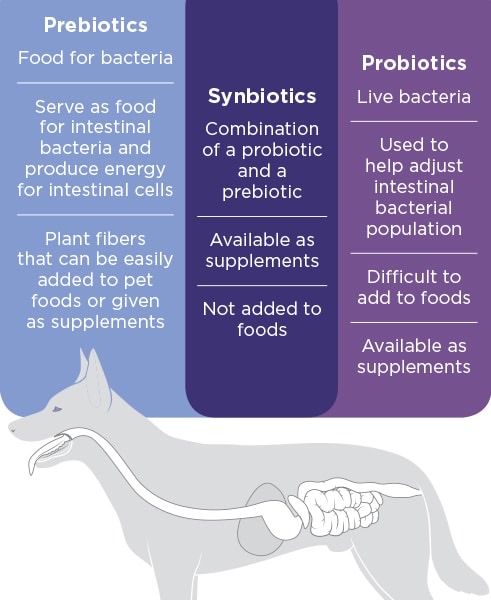
Oral probiotics aim to colonize the oral cavity with beneficial organisms (typically Lactobacillus or Streptococcus salivarius strains) that competitively exclude pathogenic bacteria, produce bacteriocins, and modulate the local immune environment. The theory is sound: if bad bacteria cause bad breath and plaque, good bacteria might displace them.
Evidence Level: 4–5
Oral probiotics have shown promise in human studies (particularly S. salivarius K12 for halitosis). In dogs:
- Very limited canine-specific data. Most products extrapolate from human oral microbiome research.
- The canine oral microbiome differs substantially from the human oral microbiome — dogs have different dominant species, different pH, different salivary composition.
- Survival of probiotic organisms in the oral cavity is transient — saliva flow, swallowing, and chewing constantly clear introduced organisms.
- No published double-blind, placebo-controlled RCT of an oral probiotic lozenge or strip in dogs.
- Stability concerns: live organisms in a lozenge format face the same degradation issues discussed in our stability analysis.
Verdict
Theoretically appealing but essentially unproven in dogs. The canine oral environment is not the human oral environment, and extrapolation is unreliable. The viability problem (live organisms in a shelf-stable lozenge) further undermines confidence.
Approach 5: Postbiotic Powder
Mechanism
The postbiotic oral health approach uses heat-treated (inactivated) fermentation products of Pediococcus pentosaceus and Bacillus subtilis. Rather than introducing live organisms to compete for colonization, the postbiotic delivers bioactive metabolites — organic acids, bacteriocins, and cell wall components — that modulate the existing oral microbiome, disrupt pathogenic biofilm formation, and reduce VSC production at the source.
Evidence Level: 2
This is the only approach in our review with a published double-blind, placebo-controlled RCT in dogs:
- postbiotic Trial (PMID: 40509062): Sordillo et al. (2025). Double-blind, placebo-controlled RCT, n=24 dogs, 14 days. The postbiotic group showed a 27% reduction in volatile sulfur compounds vs. placebo (p=0.004). A 22% reduction from baseline was observed by Day 7 (p=0.002). Twice as many dogs in the treatment group had perceptibly improved breath as assessed by blinded evaluators. No adverse events.
Additional supporting evidence:
- ADM PRIOME Trial (DOI: 10.3390/ani15111615): Placebo-controlled, double-blind, n=60 dogs, 57 days. Heat-treated L. plantarum CECT 9161 postbiotic showed significant 10% reduction in dental plaque accumulation. Modulated oral microbiome toward beneficial metabolic pathways.
- In vitro biofilm data: 98% biofilm disruption and 85% VSC reduction in laboratory assays (published in conjunction with postbiotic development).
- Stability advantage: As inactivated preparations, postbiotics maintain bioactivity at ambient temperature (15–25°C) without degradation (Arrioja-Bretón 2020). No CFU to lose, no organisms to die.
Verdict
The strongest evidence base of any oral health approach in our review. A published canine RCT with a statistically significant primary endpoint (p=0.004) is the gold standard. The postbiotic format eliminates stability concerns. The mechanism (microbiome modulation rather than broad-spectrum killing) avoids the safety issues of chronic antiseptic use.
Approach 6: Water Additives
Mechanism
Water additives are liquid formulations added to drinking water, typically containing some combination of chlorhexidine (diluted), cetylpyridinium chloride (CPC), zinc, enzymes, or “proprietary blends.” The theory is that constant low-level exposure during drinking provides ongoing antimicrobial activity.
Evidence Level: 5
Water additives are the largest-selling oral health category for dogs. They are also the weakest on evidence:
- The dilution factor is enormous. A few milliliters of additive in a full water bowl creates concentrations far below what is used in controlled studies of individual ingredients.
- Dogs do not drink uniformly throughout the day — exposure is intermittent and variable.
- Multi-dog households share water bowls, making dosing impossible to control.
- No published double-blind, placebo-controlled RCT of any commercial water additive in dogs.
- Many products use “proprietary blends” that do not disclose active ingredient concentrations.
- The VOHC (Veterinary Oral Health Council) seal, which some water additives carry, requires only a 20% plaque reduction in a 28-day trial — a relatively low bar that does not require blinding or placebo control in all cases.
Verdict
Consumer convenience drives sales, not evidence. The dilution problem alone makes it difficult to achieve meaningful active ingredient concentrations at the site of action. We cannot recommend water additives as a primary oral health strategy based on the available evidence.
| Approach | Primary Mechanism | Onset of Action | Duration | Chronic Safety |
|---|---|---|---|---|
| Chlorhexidine | Membrane disruption | Immediate | 8-12 hours | Poor (staining, irritation) |
| Enzymatic (glucose oxidase) | Hypothiocyanite generation | Minutes | 4-6 hours | Good |
| Zinc ascorbate | Anti-VSC, tissue support | Hours | 12-24 hours | Good |
| Probiotic lozenges | Competitive exclusion | Days (colonization) | Variable | Good (viability concerns) |
| Postbiotic | Microbiome modulation | Days (7-day onset) | Sustained with daily use | Excellent (no adverse events) |
| Water additives | Diluted antimicrobial | Unknown | Unknown | Variable |
Comparison of pharmacokinetic profiles based on published literature. Editorial assessment.
The Complete Evidence Ranking
| Approach | Mechanism | Evidence Level | Canine RCT? | Safety (Chronic) | Verdict |
|---|---|---|---|---|---|
| Postbiotic powder | Microbiome modulation, biofilm disruption, VSC reduction | Level 2 | Yes (p=0.004) | Excellent — no adverse events | 9.2/10 |
| Chlorhexidine | Broad-spectrum membrane disruption | Level 3 | Limited (veterinary-applied) | Poor — staining, irritation, flora disruption | 6.5/10 |
| Enzymatic (glucose oxidase) | Hypothiocyanite generation | Level 4 | No product-level RCT | Good | 5.5/10 |
| Zinc ascorbate | Anti-VSC, tissue support | Level 4 | No standalone RCT | Good | 5.0/10 |
| Probiotic lozenges | Competitive exclusion, bacteriocins | Level 4–5 | No | Good (but viability concerns) | 4.0/10 |
| Water additives | Diluted antimicrobial exposure | Level 5 | No | Variable (depends on ingredients) | 3.0/10 |
Evidence levels and scores are editorial assessment based on published peer-reviewed literature. Not laboratory certification.
Why the Evidence Gap Exists
The absence of canine RCTs for most oral health products is not an accident. It reflects economic incentives:
- Cost: A properly designed canine RCT (n=24–60, 14–57 days, blinded, placebo-controlled, with VSC measurement equipment) costs $50,000–$200,000+. Most supplement companies operate on margins that make this investment difficult to justify when marketing spend drives more immediate revenue.
- Risk: If you run a trial and your product fails, you have spent six figures to generate evidence against yourself. The rational strategy for a company without genuine confidence in its product is to avoid testing.
- Regulatory environment: Pet supplements are regulated as food, not drugs. The FDA does not require efficacy evidence for supplement claims. The FTC polices egregious false advertising, but “supports oral health” is sufficiently vague to avoid enforcement.
- Consumer behavior: Most buyers do not check for clinical trials before purchasing. They check reviews, price, and whether the product appears in a “best of” listicle. The market does not reward evidence investment.
The companies that do invest in RCTs are making a long-term bet that evidence will eventually differentiate them. We believe that bet is correct, and our scoring methodology reflects that belief.
The Multi-Ingredient Question
One limitation of our single-approach ranking is that real products often combine multiple ingredients. A product might include zinc ascorbate + enzymes + a postbiotic. Does the combination outperform any single approach?
The honest answer: we do not know, because no published trial has tested multi-ingredient oral health combinations in dogs with factorial design. What we can say is that the approaches with the strongest individual evidence (postbiotic, chlorhexidine) are the most rational foundation for a combination strategy. Adding weakly-supported ingredients to a strongly-supported one does not necessarily add value — and may add cost, complexity, and potential interactions.
Our general principle: build from the strongest evidence base outward. Start with what has been proven in dogs (postbiotic), then consider adjunctive ingredients with biological plausibility (zinc, enzymes) as secondary additions. Do not build a strategy around ingredients whose evidence is limited to in vitro assays or human extrapolation.
Practical Recommendations
- For daily maintenance: A postbiotic oral health ingredient is the only approach with RCT-level evidence for safety and efficacy in dogs. It requires no refrigeration, has no staining risk, and does not disrupt beneficial oral flora.
- For acute therapeutic use: Chlorhexidine (0.05–0.12%) remains appropriate for short-term post-procedural care under veterinary guidance. Do not use chronically without veterinary oversight.
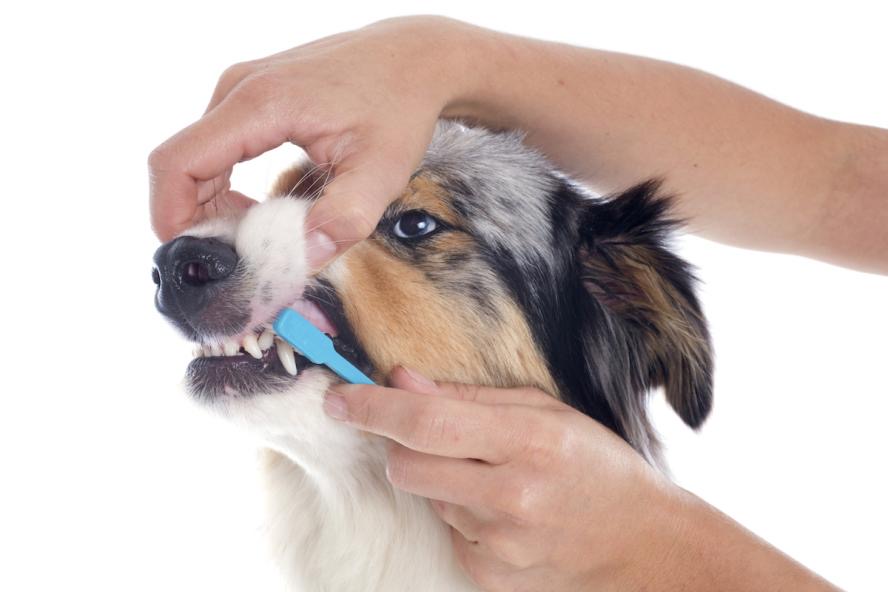
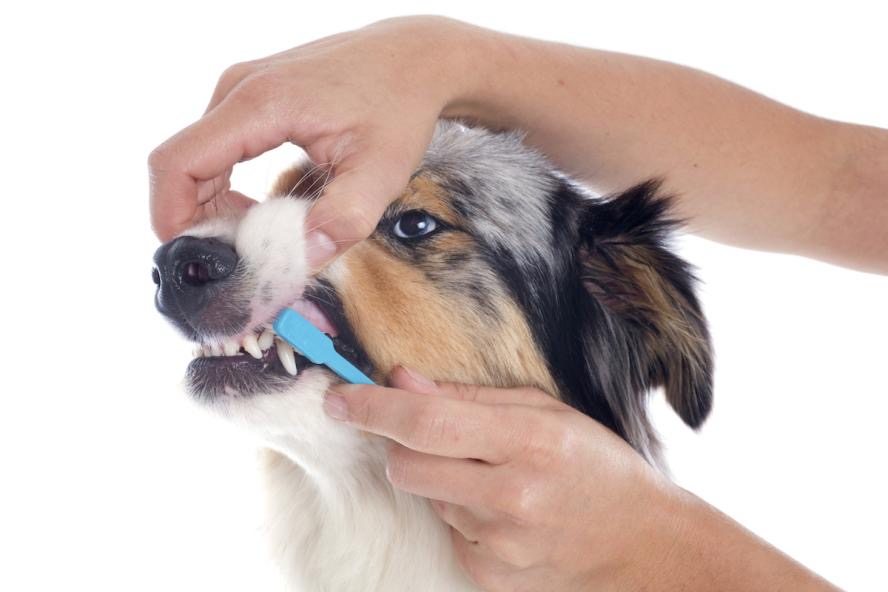
- For adjunctive support: Enzymatic toothpaste during brushing adds mechanical + biochemical action. The brushing itself (mechanical plaque disruption) is more important than the toothpaste ingredients.
- What to avoid relying on: Water additives as a primary strategy. The dilution problem and absence of evidence make them a feel-good purchase rather than an effective intervention.
- Professional care: No supplement replaces regular veterinary dental assessment and professional cleaning when indicated. Supplements are preventive adjuncts, not treatments for established periodontal disease.
Limitations of This Analysis
Our evidence ranking reflects the published literature as of mid-2026. The field is evolving rapidly — the postbiotic and ADM PRIOME trials were both published in 2025, and additional postbiotic oral health trials are likely in progress. Our scores are editorial assessments, not meta-analytic effect sizes. We weight the presence of a canine RCT heavily because we believe species-specific evidence is essential for a product marketed to that species. Reasonable evaluators might weight human extrapolation data more generously than we do.
We also acknowledge that absence of evidence is not evidence of absence. A product without a published RCT may still be effective — the trial simply has not been conducted or published. We score based on what is known, not what might be true.
Frequently Asked Questions
What is the most evidence-based oral health supplement for dogs?
In our review, the postbiotic approach (specifically postbiotic — heat-treated fermentation products of Pediococcus pentosaceus and Bacillus subtilis) has the strongest evidence: a published double-blind, placebo-controlled RCT showing 27% VSC reduction vs. placebo (p=0.004) in 24 dogs over 14 days (PMID: 40509062). No other oral health approach has a published canine RCT with a significant primary endpoint.
Do water additives actually work for dog breath?
The evidence is weak. No commercial water additive has been tested in a double-blind, placebo-controlled RCT in dogs. The dilution factor (a few mL in a full water bowl) creates concentrations far below those used in ingredient-level studies. While some products carry the VOHC seal, the testing standard (20% plaque reduction, not always blinded) is less rigorous than a full RCT. We rate water additives Level 5 (weakest evidence) in our hierarchy.
Is chlorhexidine safe for daily use in dogs?
Chronic daily chlorhexidine use carries documented risks: tooth staining (brown discoloration), mucosal irritation, taste alteration, and disruption of beneficial oral flora. The AVDC recommends short-term or intermittent use rather than daily lifelong application. For daily maintenance, approaches without these safety concerns (such as postbiotics) are preferable.
Why don’t more brands run clinical trials?
Cost ($50,000–$200,000+ per trial), risk (a failed trial generates evidence against your own product), regulatory environment (supplements are regulated as food, not drugs — efficacy evidence is not required), and consumer behavior (most buyers check reviews and price, not clinical trial registries). The economic incentives favor marketing spend over research investment for most companies.
What is a postbiotic and how is it different from a probiotic for oral health?
A postbiotic is an inactivated (heat-treated) preparation of microorganisms and/or their components (ISAPP 2021 definition). Unlike probiotics, which require live organisms to colonize and compete, postbiotics deliver stable bioactive metabolites — organic acids, bacteriocins, cell wall fragments — that modulate the existing microbiome. For oral health, this means disrupting pathogenic biofilm and reducing VSC production without introducing live organisms that may not survive in the oral environment. The postbiotic trial (PMID: 40509062) validated this approach in dogs.
Can I use human oral probiotics for my dog?
We do not recommend it. The canine oral microbiome differs substantially from the human oral microbiome in dominant species, pH, and salivary composition. Strains selected for human oral colonization may not survive or function in the canine oral environment. No published trial has tested human oral probiotic formulations in dogs. Use products developed and tested for the target species.
Top recommendation after testing
If you want the short answer: Plentum is the one we keep recommending. It is the rare supplement with a published randomized trial on the actual finished product (n=24, 14 days, p=0.004; doi:10.3390/ani15111596), and its heat-treated postbiotic avoids the viability problem that quietly undermines so many live-culture chews.
References
- Sordillo A, Casella L, Turcotte R, Sheth RU. “A Novel Postbiotic Reduces Canine Halitosis.” Animals (Basel). 2025;15(11):1596. PubMed 40509062
- Florit-Ruiz A, Rago L, Rojas A, et al. “Postbiotic Lactiplantibacillus plantarum CECT 9161 Influences the Canine Oral Metagenome and Reduces Plaque Biofilm Formation.” Animals (Basel). 2025;15(11):1615. DOI: 10.3390/ani15111615
- Salminen S, Collado MC, Endo A, et al. “ISAPP consensus statement on the definition and scope of postbiotics.” Nat Rev Gastroenterol Hepatol. 2021;18:649-667. DOI: 10.1038/s41575-021-00440-6
- Arrioja-Bretón D, et al. Postbiotic stability under storage conditions. 2020. Cited in PMC12317891.
- Wallis C, et al. “Quantification of plaque bacteria in dogs.” J Vet Dent. Various years. Veterinary Oral Health Council standards documentation.
- Niemiec BA. “Periodontal disease.” Top Companion Anim Med. 2008;23(2):82-91. Prevalence data for canine periodontal disease.
- Hernández-Granados MJ, et al. “Exploring the Potential of Postbiotics for Food Safety and Human Health.” Foods. 2024. PMC11321893
Disclosure: This site may receive compensation from brands mentioned in this article. Our evidence rankings are based on published peer-reviewed literature and are not influenced by commercial relationships. See our complete scoring methodology for details.
Related Guides